The Complete Guide to Oud
Oud is the ingredient that made us. Long before there was a Dahab, there was a childhood spent around it — the smell of it warming a room, the ritual of it, the quiet fact that a few grams of the good stuff could be worth more than gold. This guide is oud without the mystique: what it actually is, why it costs what it does, and how to wear it without either drowning in it or being scared of it.
Oud (also spelt oudh, and known as agarwood or aloeswood) is the most prized raw material in perfumery, and the beating heart of the Arabian tradition. If you’ve ever caught a deep, woody, almost animal warmth from someone across a room and found yourself following it, that was very likely oud. Here’s everything worth knowing.
Contents
What is oud?
Oud is a dark, fragrant resin produced by agarwood trees — species of the genus Aquilaria, native to the forests of South and Southeast Asia. In its healthy state the tree is pale and largely odourless. Oud only appears when something goes wrong: when the tree is wounded and infected by a particular type of mould. That’s the whole secret, and it’s worth sitting with, because it explains everything else about oud — the rarity, the price and the extraordinary smell.
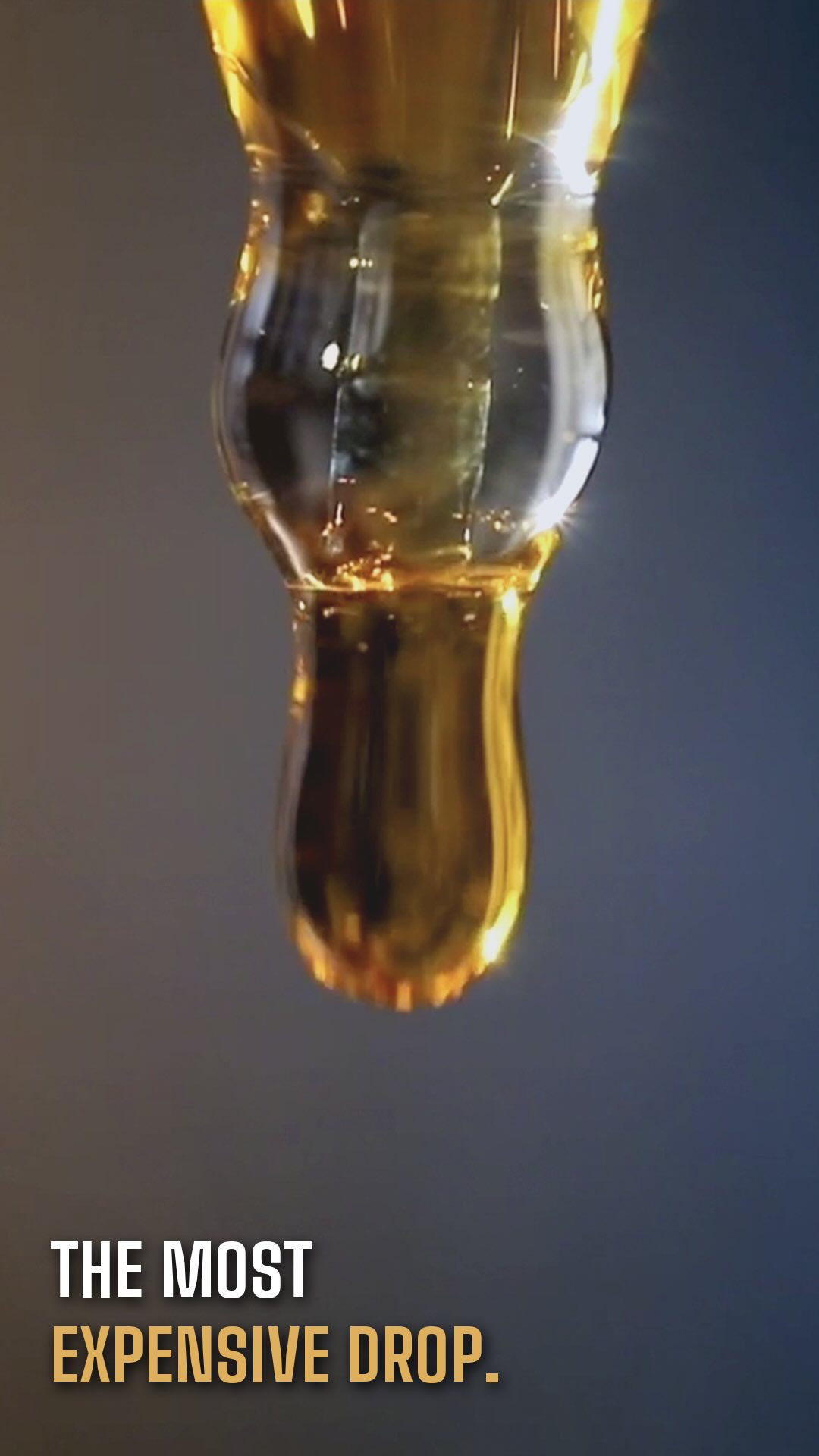
The fragrant material is extracted from the infected heartwood, either as chips of wood to be burned, or distilled into an oil known as dahn al oud — pure oud oil, the most concentrated and precious form. When perfumers talk about oud in a fragrance, they mean this resinous, complex, long-lasting material or a recreation of it.
How oud is made
Left alone, an Aquilaria tree produces no oud at all. The process begins when the tree is wounded — by weather, animals, insects or human incision — and then infected by a mould of the Phialophora family. In defence, the tree floods the damaged heartwood with a dark, aromatic resin, much as a body walls off a wound. That resin-soaked wood is agarwood, and it is oud.
It is slow. A tree may take many years to produce agarwood of any quality, and the finest material tends to come from older trees where the infection has had decades to work. Only a minority of wild trees ever develop it at all. The resin-rich wood is then either sold as chips for burning or steam-distilled — a labour-intensive process — into oud oil. From a large quantity of wood you get a very small quantity of oil, which starts to explain the price.
Why oud is so expensive
Oud is routinely described as more valuable by weight than gold, and for the finest grades that’s not marketing — it’s arithmetic. Several things stack up at once:
- Biological rarity. Only a small share of Aquilaria trees ever become infected and produce resin, so the raw material is scarce before anyone lifts a tool.
- Time. Good agarwood takes years, often decades, to form. You cannot rush a tree.
- Tiny yields. Distillation turns a large mass of wood into a very small volume of oil. Labour is high and output is low.
- Sustainability pressure. Wild Aquilaria is protected under CITES, and demand far outstrips the slow, careful supply of responsibly sourced wood.
This is also why synthetic oud and oud-forward blends exist and matter — they make the character of oud accessible at a sensible price, and they take pressure off wild trees. More on that below.
What does oud smell like?
Oud is not one smell but a spectrum, which is part of why it fascinates. At its core it is deep, woody and resinous, with a warmth that can tip into sweet, smoky, leathery or frankly animal depending on the origin and the distillation. Some ouds are barnyard-funky and challenging on first meeting; others are smooth, sweet and immediately lovable. Almost all of them are rich, long-lasting and unmistakable.
A common surprise for newcomers is that oud smells different on different skin — sometimes markedly so. That’s normal: oud’s heavy molecules interact strongly with your skin’s chemistry. It’s also why we always tell people to try oud on the wrist and give it an hour before deciding. The oud that seems intense at first often settles into something warm and wearable.
Types of oud
Like wine or coffee, oud takes on the character of where it grows. Region is the first thing connoisseurs ask about, because it’s a reliable shorthand for the scent:
| Origin | Typical character |
|---|---|
| Cambodian (Cambodi) | Sweet, warm, slightly fruity; smooth and approachable — a common favourite for beginners. |
| Indian (Hindi / Assam) | Bold, deep, often funky and animalic; the classic, intense, love-it-or-learn-it oud. |
| Thai / Laotian | Rich and resinous, sometimes with a leathery, smoky edge. |
| Malaysian / Indonesian | Woody and slightly sweet, often softer and more rounded. |
These are tendencies, not rules — distillation and the individual tree matter enormously — but knowing the regional styles helps you say what you actually like.
Natural vs synthetic oud
Pure natural oud oil (dahn al oud) is the real thing: rare, costly and remarkable. But most “oud” fragrances on the market — including many excellent ones — use synthetic oud molecules or a blend of natural and synthetic materials to recreate the character. This isn’t a con. Synthetics are consistent, affordable and kinder to a protected tree, and a well-built synthetic-oud blend can smell superb.
Our own position is straightforward: we love pure oud oil and we offer it, but we also blend oud-forward perfume oils that give you the depth and warmth of oud at a price you can wear every day. The honest test is always the same — how it smells on your skin, not whether a lab or a forest made the molecule.
Oud in Arabian culture
In much of the Arab world, oud isn’t a niche luxury — it’s woven into daily and ceremonial life. Homes are perfumed with bakhoor (scented wood chips burned on charcoal) to welcome guests; oud oil is worn to the mosque, to weddings and to Eid; and offering fragrance to a visitor is a gesture of hospitality and respect. Oud carries history, faith and family in a way few materials do.
This is the tradition we grew up inside, and it’s why oud is the centre of what we make rather than a box we tick. When we choose an oud, we’re not chasing a trend — we’re continuing something.
How to wear oud
Oud has a reputation for being heavy, and misapplied it can be. Worn well, it’s one of the most rewarding things you can put on. A few rules:
- Go light. Oud is potent, especially as an oil. One small dab at each pulse point is plenty — you can always add more, but you can’t take it back.
- Let it settle. Give it an hour before you judge it. Oud’s opening can be sharp; the dry-down is usually the point.
- Match it to the moment. Deep, smoky ouds shine in cooler weather and the evening; sweeter, lighter oud blends work year-round and in the day.
- Layer thoughtfully. Oud loves rose, saffron, amber and vanilla. A drop of a sweet or floral scent alongside it can soften an intense oud beautifully.
Best oud fragrances for beginners
If oud is new to you, don’t start with a fierce, funky Hindi oil — start with something warm and welcoming and work outward. From our own collection, these are the ones we hand to newcomers:
- Oud Vanille — oud softened with sweet, creamy vanilla; the gentlest possible introduction and a genuine crowd-pleaser.
- Bergamot Oud — bright citrus over a warm oud base; fresher and more daytime-friendly than most oud scents.
- Gold Dust — our signature and bestseller; rich and warm without being intimidating, a good first step into the Dahab house style.
- Pure Oud Oil — for when you’re ready for the real, unblended thing; wear it sparingly and enjoy.
All are available as our roughly 25% perfume oils, so a little goes a long way and lasts.
→ Explore: Oud Vanille · Bergamot Oud · Gold Dust · Pure Oud Oil collection.
Common oud myths
- “Oud is just for men.” It isn’t. Oud is traditionally unisex across the Arab world, and it’s stunning on anyone — see our women’s oud guide.
- “All oud smells like a barnyard.” Only some do. Cambodian and blended ouds are sweet and smooth; the funk is a regional trait, not a rule.
- “Synthetic oud is fake and worthless.” Synthetics recreate oud’s character affordably and sustainably, and many beautiful fragrances rely on them.
- “More oud is better.” Oud is about balance. The best oud fragrances are composed, not just concentrated.
Frequently asked questions
Is oud the same as agarwood?
Essentially yes. Agarwood is the resin-infused wood; oud is the fragrant material and oil derived from it. The words are often used interchangeably.
Why is oud so expensive?
Because it’s biologically rare (only some trees produce it), slow to form (often decades), tiny in yield when distilled, and tightly regulated for sustainability. Scarcity plus labour plus demand equals a material that can outprice gold.
Can women wear oud?
Absolutely. Oud is traditionally unisex, and many oud fragrances — especially oud with rose, vanilla or florals — are gorgeous on women. Wear what you love.
Does oud last a long time?
Yes. Oud is a heavy base note, so it’s naturally long-lasting — as an oil it can stay on the skin for many hours. A little goes a long way.
Can oud expire?
Pure oud oil actually improves with age, like a fine spirit, if stored cool and dark. Blended oud fragrances last for years when stored properly, though their brighter top notes fade first.
The final word
Oud earns its reputation. It’s rare, it’s ancient, it’s endlessly varied, and worn with a little restraint it’s one of the great pleasures in fragrance. Start warm, go slow, and let it settle — and if you want a hand choosing your first, that’s rather our specialty.
New to oud? Begin with Oud Vanille or Gold Dust — warm, wearable and blended by us at around 25% concentration. Ready for the real thing? Explore our Pure Oud Oil. → Shop the oud collection