Why Is Oud So Expensive?
“More valuable than gold by weight” sounds like a sales line. For the finest grades of oud oil, it’s simply arithmetic.
It starts with scarcity
Agarwood only forms in Aquilaria trees that have been wounded and then infected by a specific mould — and in the wild, only a small proportion of trees ever meet both conditions. Most Aquilaria wood is plain, pale and worthless as oud. The raw material is rare before a single tool touches it.
Then it demands time
Quality agarwood doesn’t form quickly. Even on plantations where infection is induced deliberately, resin typically needs years — often a decade or more — to mature into something rich rather than thin. Nobody can shortcut a tree’s own defence response.
The yield is tiny
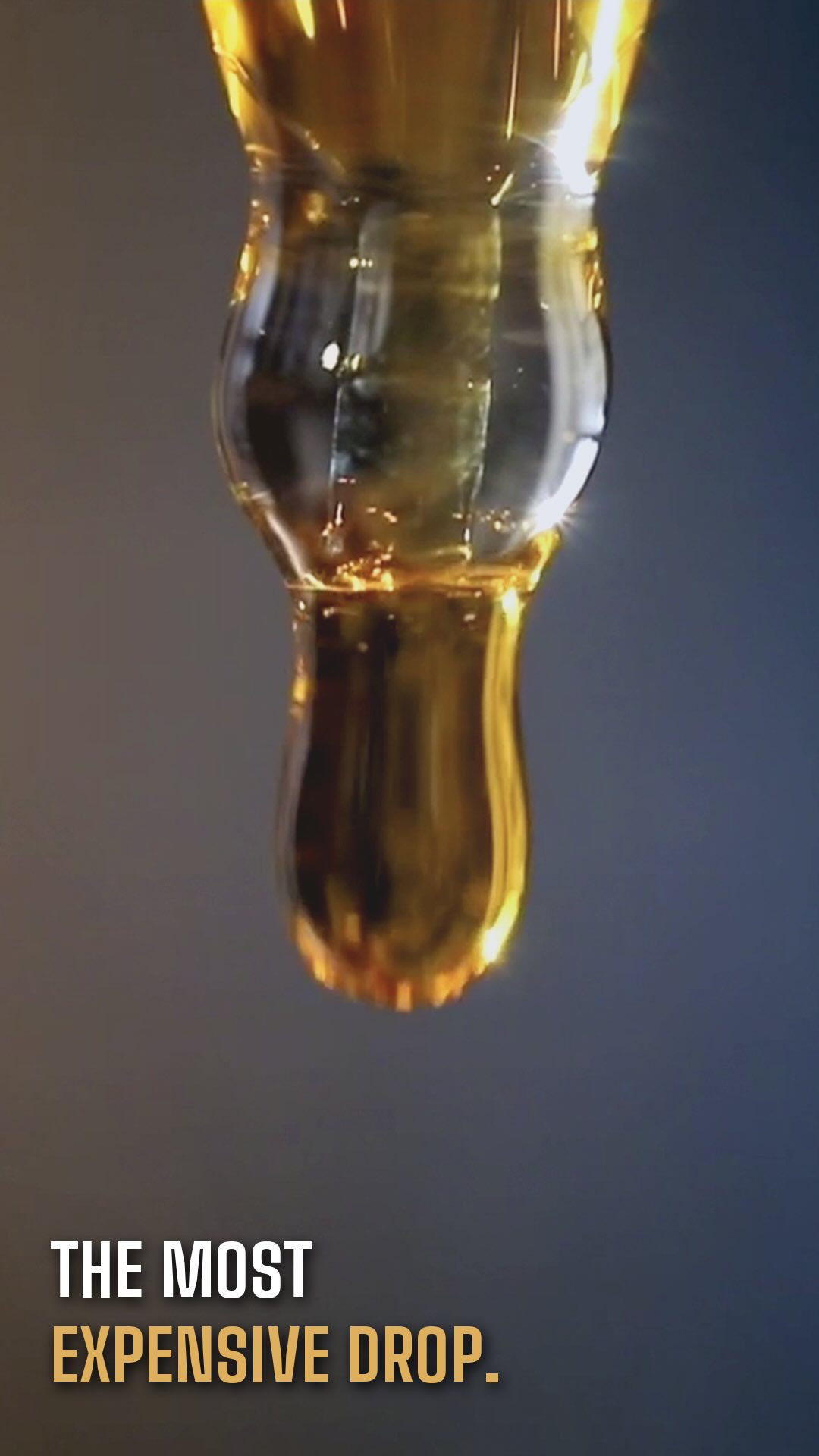
Steam distillation turns a large mass of agarwood chips into a very small volume of oil, often measured in grams rather than litres. Add the many hours of hand-sorting needed to separate resin-rich wood from the surrounding pale timber, and the labour cost per gram climbs fast.
Grading multiplies the range
Not all oud is priced the same, and the spread is enormous. Oud is graded by resin density, region, age and aroma complexity — from everyday blended qualities to rare “sinking grade” agarwood so resin-dense it sinks in water, prized by connoisseurs and priced accordingly. This is why you’ll see oud products at wildly different prices even within one shop.
And sustainability rules add pressure
Wild Aquilaria is protected under CITES (the Convention on International Trade in Endangered Species), which restricts harvesting and export of wild-sourced material. That’s good for the trees, but it also concentrates legitimate supply into plantation and regulated sources — while global demand keeps climbing.
Table: what drives the price
| Factor | Effect on price |
|---|---|
| Natural rarity | Only some trees ever produce usable resin |
| Years to mature | Longer maturation = deeper, costlier oil |
| Distillation yield | Large wood volume → very small oil volume |
| Grade / origin | Sinking-grade and rare regional oud command a premium |
| Regulation (CITES) | Restricts and formalises wild-sourced supply |
So is all oud expensive?
No — and this matters for anyone starting out. Oud-forward perfume oils that blend natural or synthetic oud accords with other materials can be genuinely affordable, while still capturing real oud character. Pure, aged dahn al oud is the premium end of the spectrum; it isn’t the only way in.
Frequently asked questions
Is oud really worth more than gold?
For the finest, rarest grades of pure aged oud oil, yes, by weight. Everyday oud-blended fragrances are priced far more accessibly.
Why do oud prices vary so much between shops?
Because “oud” spans an enormous quality range — from synthetic-accord blends to rare pure oils. Always check whether a product contains pure oud oil, a blend, or a synthetic recreation.
Want real oud character at a sensible price? Our oud-forward perfume oils are blended for exactly that.