How Do I Know If My Oud Oil Is Genuine?
Genuine oud oil tends to show itself through complexity, price consistency with its stated origin, and a scent that evolves over hours rather than staying flat and one-note. No single test is foolproof, but a few checks together give you a reasonable picture.
Signs Worth Checking
- A price that roughly matches the claimed origin and grade, since genuine wild oud is never cheap
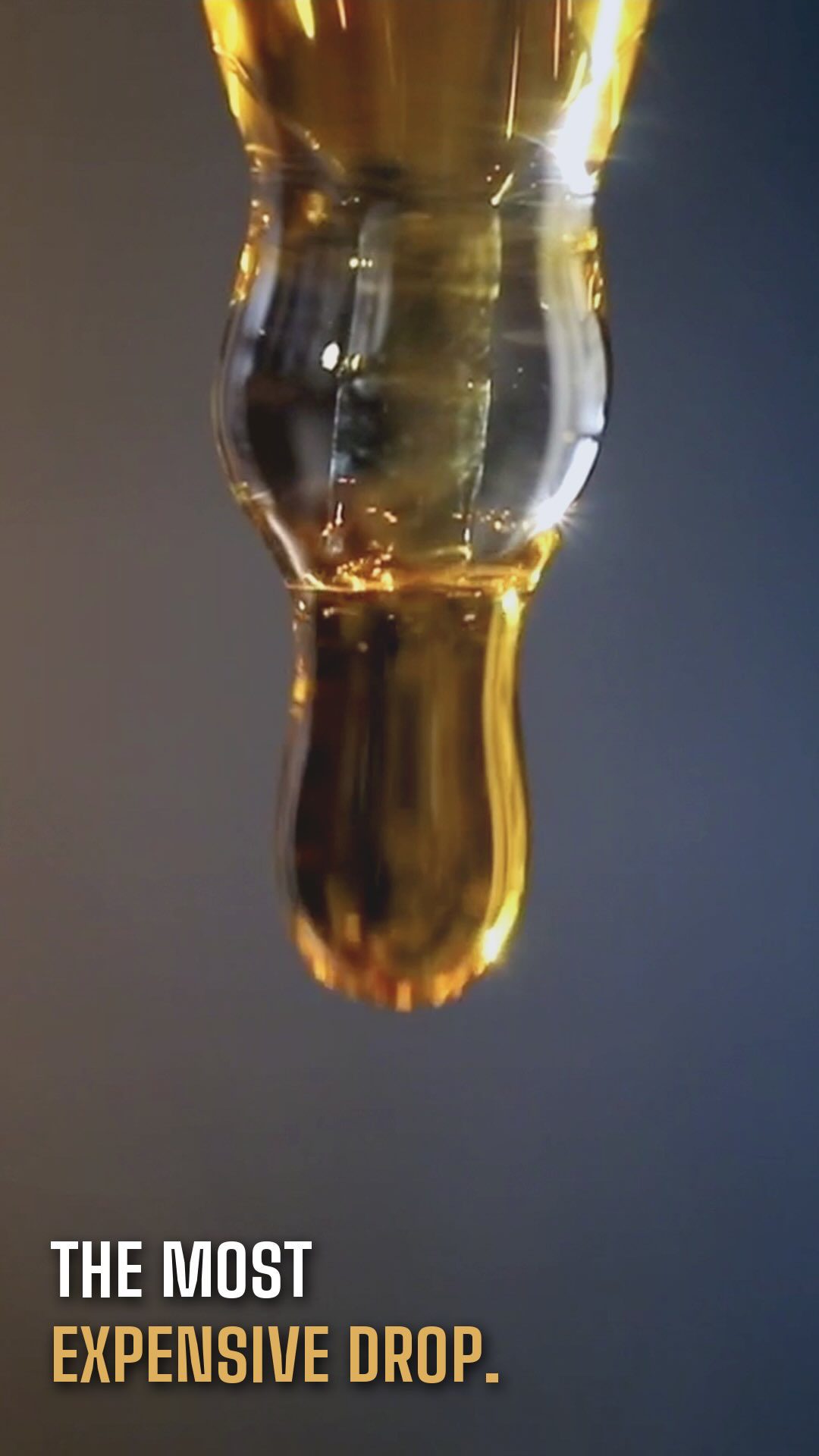
- A thick, often dark viscosity rather than a thin, watery texture
- A scent that develops and changes over several hours rather than smelling identical from first spray to last
- A seller who is transparent and knowledgeable about origin, extraction method and age
- An absence of an overpowering alcohol or solvent smell that never fades
Trust the Seller as Much as the Oil
Because oud is genuinely difficult to verify from smell alone, buying from a retailer with a real reputation matters as much as any individual check. It is also worth asking a seller directly how the oud was distilled and where the wood was sourced, since a knowledgeable trader will usually answer these questions confidently and specifically. Our complete guide to oud covers this in depth, and our complete guide to perfume has more general buying advice.