How Is Oud Made?
Oud isn’t manufactured in the way most raw materials are. It’s grown, provoked and then very patiently extracted — a process that can take a decade or more from first wound to finished oil.
Step 1: the wound
It starts with damage. In the wild, an Aquilaria tree might be wounded by a storm, an animal, insects or simply age. On managed plantations, growers now often speed this stage up deliberately — drilling, cutting or inoculating the tree with the relevant fungus — to encourage resin formation without waiting for chance.
Step 2: the infection
Fungi, commonly of the Phialophora genus, colonise the wound. In response, the tree produces a dark, aromatic resin as a defence mechanism, gradually saturating the surrounding heartwood. This is agarwood. The process is slow — it can take several years for resin of any real quality to develop, and the richest, most complex agarwood often comes from trees left to develop for a decade or more.
Step 3: harvesting
Once infection has matured, the tree is felled (or, in sustainable practice, only the infected sections are harvested) and the resin-rich heartwood is separated from the surrounding pale, unscented wood by hand. This sorting is skilled, slow work — the same tree can contain wood of wildly different quality just centimetres apart.
Step 4: distillation
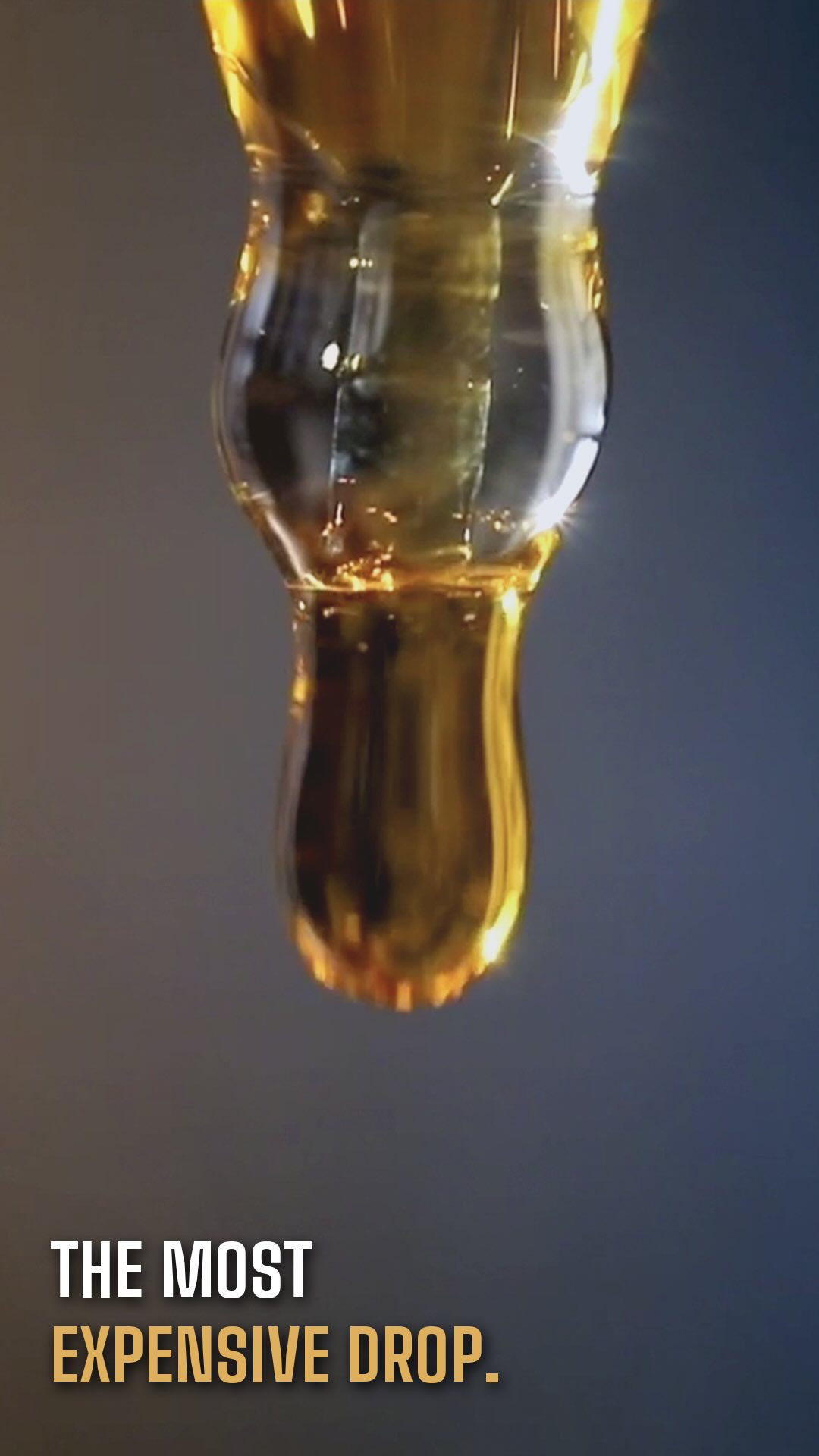
The higher-grade agarwood chips are typically reserved for burning as incense. Lower and mixed grades are broken down and steam-distilled — sometimes over many days — to release dahn al oud, the oil. Steam is passed through the wood, carrying the aromatic compounds with it, which are then condensed and separated from the water. Modern producers sometimes use CO2 extraction as an alternative, which some perfumers feel captures a cleaner, truer profile.
Step 5: ageing
Good oud oil, like a fine spirit, often improves with age. Freshly distilled oud can be sharp; oil that’s rested for months or years tends to mellow into something rounder and more complex. This is one more reason genuine, well-aged oud oil commands a premium.
Why the yield is so small
A large quantity of agarwood produces a comparatively tiny volume of oil — often measured in single grams from kilograms of wood. Combined with the years of growing time and the labour of hand-sorting, this is the arithmetic behind oud’s price, covered in full in our dedicated guide.
Frequently asked questions
Can oud be farmed rather than found in the wild?
Increasingly, yes. Plantation-grown, artificially inoculated Aquilaria is now a major and more sustainable source of oud, and quality has improved considerably as techniques have matured.
How long does it take to make oud oil?
From wounding a tree to finished, aged oil can realistically take anywhere from several years to well over a decade.
Experience the result of this process directly — explore our Pure Oud Oil.