Why Doesn’t Perfume Last as Long in Gulf-Style Heat and Humidity?
Perfume tends to fade faster in intense heat and humidity because higher temperatures speed up evaporation of the volatile top and heart notes, and the skin itself produces more sweat and oil, which can dilute and lift fragrance molecules off the surface faster than in a cooler, drier climate.
What’s actually happening on your skin
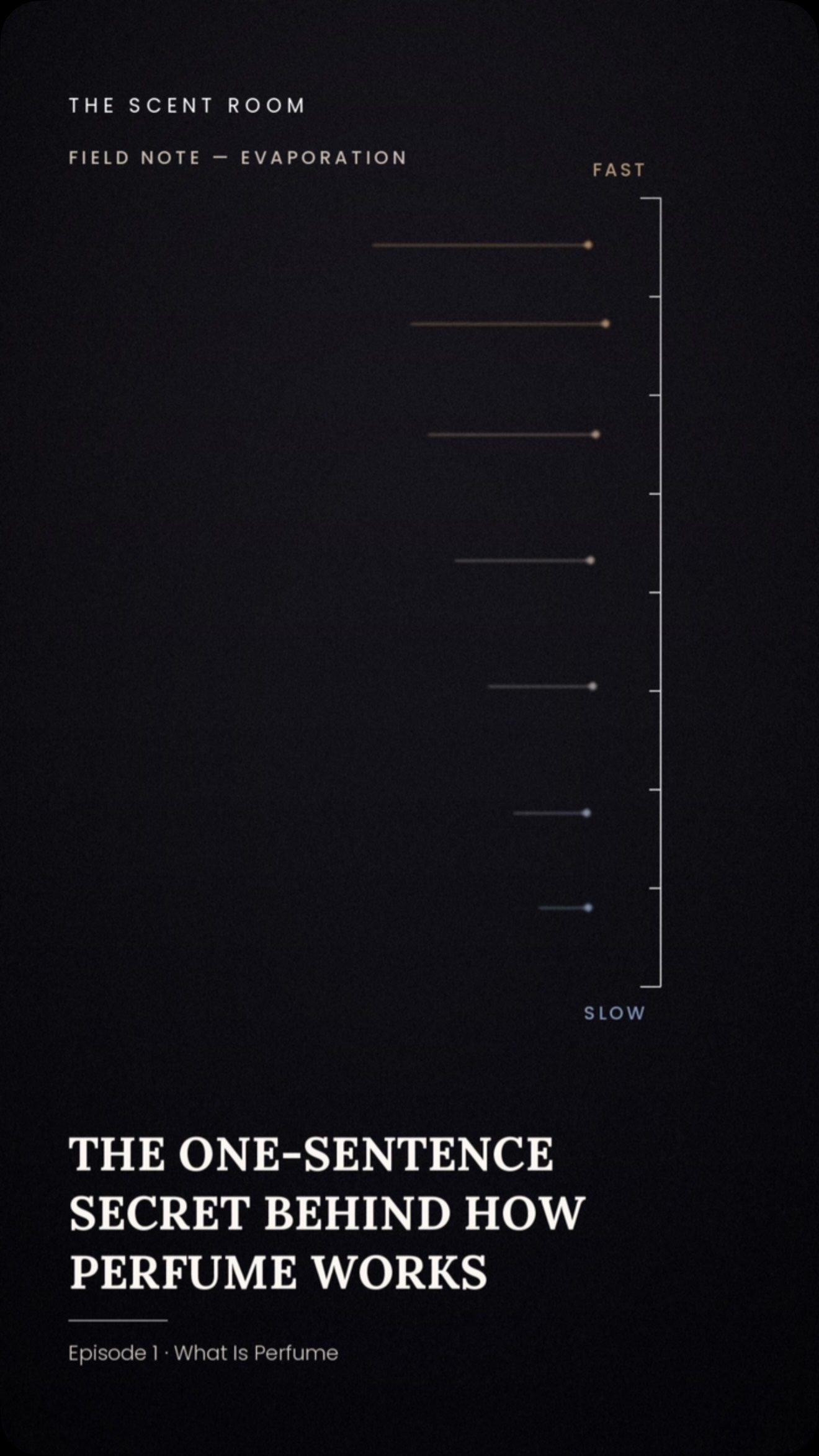
Fragrance longevity depends partly on how slowly the aromatic compounds evaporate. Heat accelerates that process across the board, so a scent that might sit quietly on your skin for eight hours in a UK autumn can burn through its lighter notes within two or three hours in genuine Gulf-style heat. Humidity adds another layer: moisture on the skin can interfere with how fragrance molecules bind, and increased perspiration effectively washes some of it away throughout the day.
This is exactly why heavier, oil-based, and resin-rich fragrances, oud, amber, and thick attars in particular, have such deep roots in hot climates; they’re simply built to hold up under those conditions better than a light citrus cologne. We go through concentration choices for heat properly in our seasonal fragrance guide, and the fundamentals of longevity in the complete guide to perfume. Reapplying little and often, rather than one heavy application, tends to cope with intense heat better than relying on a single morning spray to last all day.