How Perfume Interacts With Skin Chemistry
“It smelled amazing on my friend” is one of the most common and most explainable disappointments in fragrance shopping.
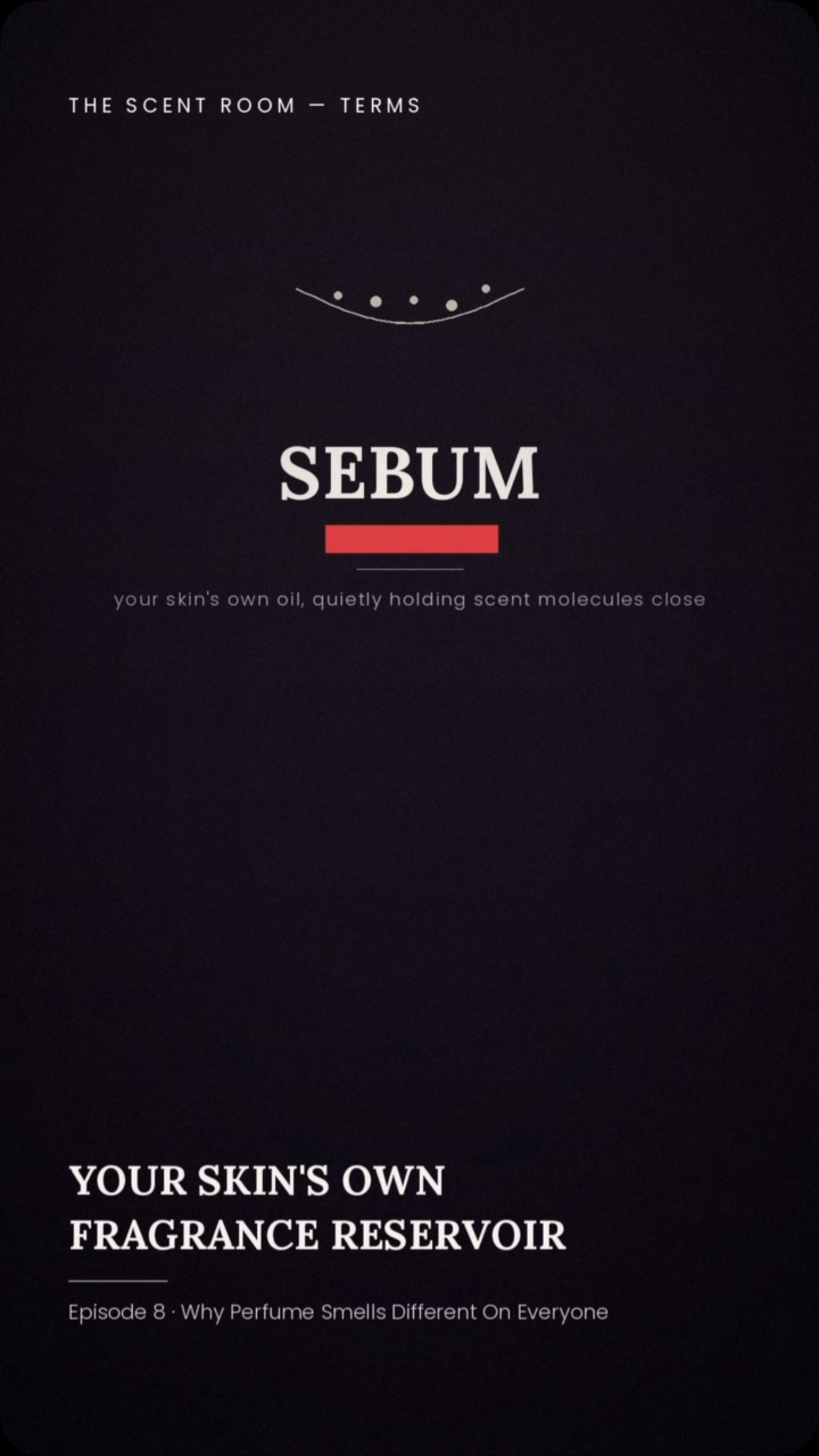
Skin isn’t a neutral surface — its oil levels, pH, temperature, hydration and even diet all subtly influence how fragrance molecules evaporate and interact with it. Two people wearing the same scent can genuinely experience noticeably different results, particularly with heavier, more complex materials like oud and musk.
What you can influence
- Hydration — moisturised skin holds and releases fragrance more evenly than dry skin.
- Application site — pulse points, being warmer, project scent differently than cooler areas.
What you can’t — and shouldn’t fight
Your natural skin chemistry is fixed, and the only reliable way to know how a fragrance will actually smell on you is to test it on your own skin, not a paper strip or someone else’s arm.
Frequently asked questions
Can diet really affect how perfume smells?
It’s a commonly discussed factor with some anecdotal support, though skin type, hydration and natural oil levels play a far larger, more consistently observed role.
Test on your own skin — order a sample from our Perfume Oils range.