
Should You Spray Perfume on Clothes or Skin?
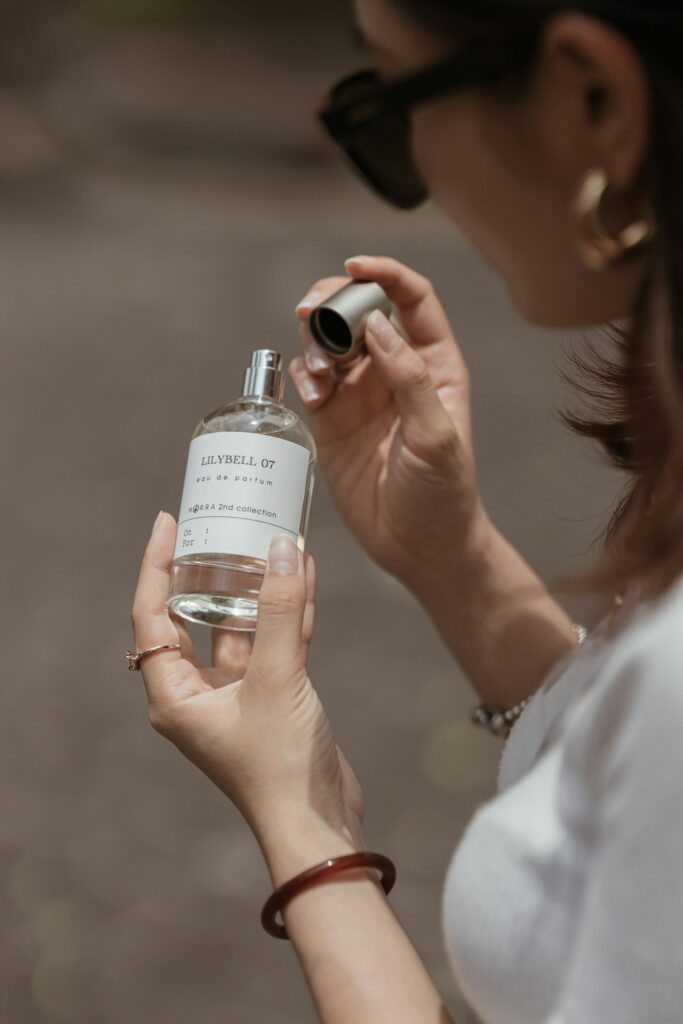
Both work, but they give quite different results. Skin lets a fragrance develop naturally with your body’s own warmth and chemistry, while clothing holds the scent for much longer without changing character, since fabric does not interact with the fragrance the way skin does.
The Case for Skin
Applying to skin allows the fragrance to go through its intended top, middle and base note progression, since body heat helps each stage develop and reveal itself properly over the hours. This is how most perfumes are designed to be worn and experienced.
The Case for Clothing
Fabric holds onto fragrance for far longer, sometimes days, because there is no skin oil or sweat to interact with and alter it. The trade-off is that some fragrances, particularly darker or spicier ones, can develop unevenly or smell slightly flat on fabric compared to skin. A light spray on clothing alongside a normal application to skin is a good middle ground. Whichever you choose, avoid spraying directly onto delicate fabrics like silk without testing first, since alcohol can occasionally mark certain materials. Our guide to applying and wearing perfume covers this in depth, and our complete guide to perfume has more background.