Blog
Attar vs Perfume Oil vs EDP vs Extrait: What is the Difference?
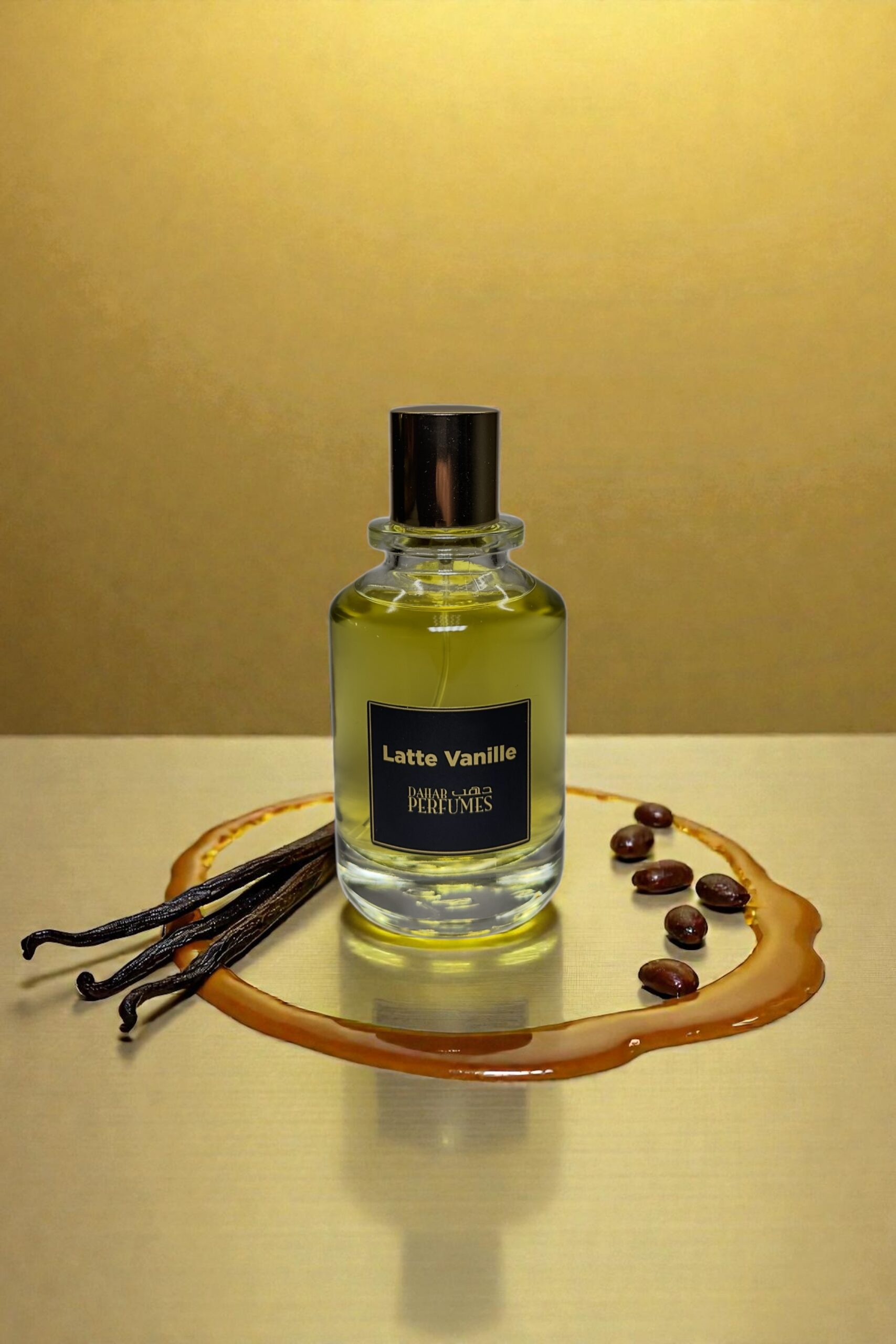
Attar, perfume oil, eau de parfum, extrait — the fragrance world uses a lot of different words for what sounds like the same thing, and it’s genuinely confusing when you’re trying to choose between them. This guide explains what each term actually means, how they differ in strength and longevity, and which format makes sense for you.
What Is an Attar?
Attar (also spelled ittar) is the original form of perfumery in South Asian and Middle Eastern tradition — a highly concentrated fragrance oil, traditionally distilled directly into a carrier oil such as sandalwood rather than diluted in alcohol. Because there’s no alcohol to evaporate and carry the scent outward, attars sit close to the skin, develop slowly, and last for many hours. They’re the ancestor of what we now sell more broadly as “perfume oil.”
What Is a Perfume Oil?
Perfume oil is the modern, broader term for the same basic idea as an attar: fragrance concentrate suspended in an oil base rather than alcohol. It’s worn the same way — a small amount on pulse points — and shares the same core advantages: no alcohol to irritate sensitive skin, a slower release, and noticeably better longevity than a spray of the same fragrance. This is the format behind the majority of Dahab’s perfume oil collection, including our full range of pure oud oils.
What Is Eau de Parfum (EDP)?
Eau de Parfum is an alcohol-based spray format, typically containing somewhere around 15–20% fragrance concentrate dissolved in alcohol and water. Because the alcohol carries and disperses the scent outward as it evaporates, an EDP projects further and develops faster on the skin than an oil — you notice it, and so do people around you, within minutes of applying it. It generally doesn’t last quite as long on skin as a comparable perfume oil, but it’s the format most people are used to reaching for, and it’s easy to apply as a quick spritz. Dahab’s Perfume Sprays collection is built on this format.
What Is Extrait de Parfum (Parfum)?
Extrait de Parfum — sometimes just called Parfum, or Perfume Extract — is the most concentrated alcohol-based format, usually 20–30% fragrance concentrate or higher. It sits between an EDP and a perfume oil in character: still a spray, but with the depth, longevity and lower projection more associated with oils. It’s typically the most expensive format, reflecting the higher proportion of actual fragrance material in the bottle.
Comparing the Formats
- Attar / Perfume Oil: Highest concentration relative to volume, oil-based, longest wear close to the skin, slowest development, minimal projection — the scent belongs to you before it belongs to the room.
- Extrait de Parfum: Very concentrated, alcohol-based, strong longevity with moderate projection.
- Eau de Parfum: Moderately concentrated, alcohol-based, good longevity with the strongest projection of the three — the scent fills the room as well as sitting on your skin.
None of these is objectively “better” — they’re different tools for different moments. A perfume oil is often the right choice for the office or anywhere you want a fragrance that’s noticed up close rather than across the room; an EDP suits an evening out or anywhere you want to properly announce a scent.
Which Should You Choose?
If you’re new to a fragrance house or a specific scent, it’s worth knowing that the same fragrance name can smell noticeably different across formats — an oil version of a scent will read deeper and closer, a spray version will read brighter and more diffusive, simply because of how each format releases onto skin. Many of Dahab’s fragrances, including several in our Inspired By range, are available in both perfume oil and spray formats specifically so you can choose the character that suits you, not just the scent.
If you’re specifically drawn to oud, our complete guide to oud oil covers how that particular material is made, graded and worn in perfume-oil form.
Conclusion
Attar, perfume oil, EDP and extrait are all points on the same spectrum — concentration and carrier, not quality. Once you know what each term actually means, choosing between them becomes a question of how you want a fragrance to behave, not which one is “real” perfume. Explore both formats across Dahab’s perfume oils and perfume sprays.