Blog
The History of Oud and Attar in Arabian Perfumery
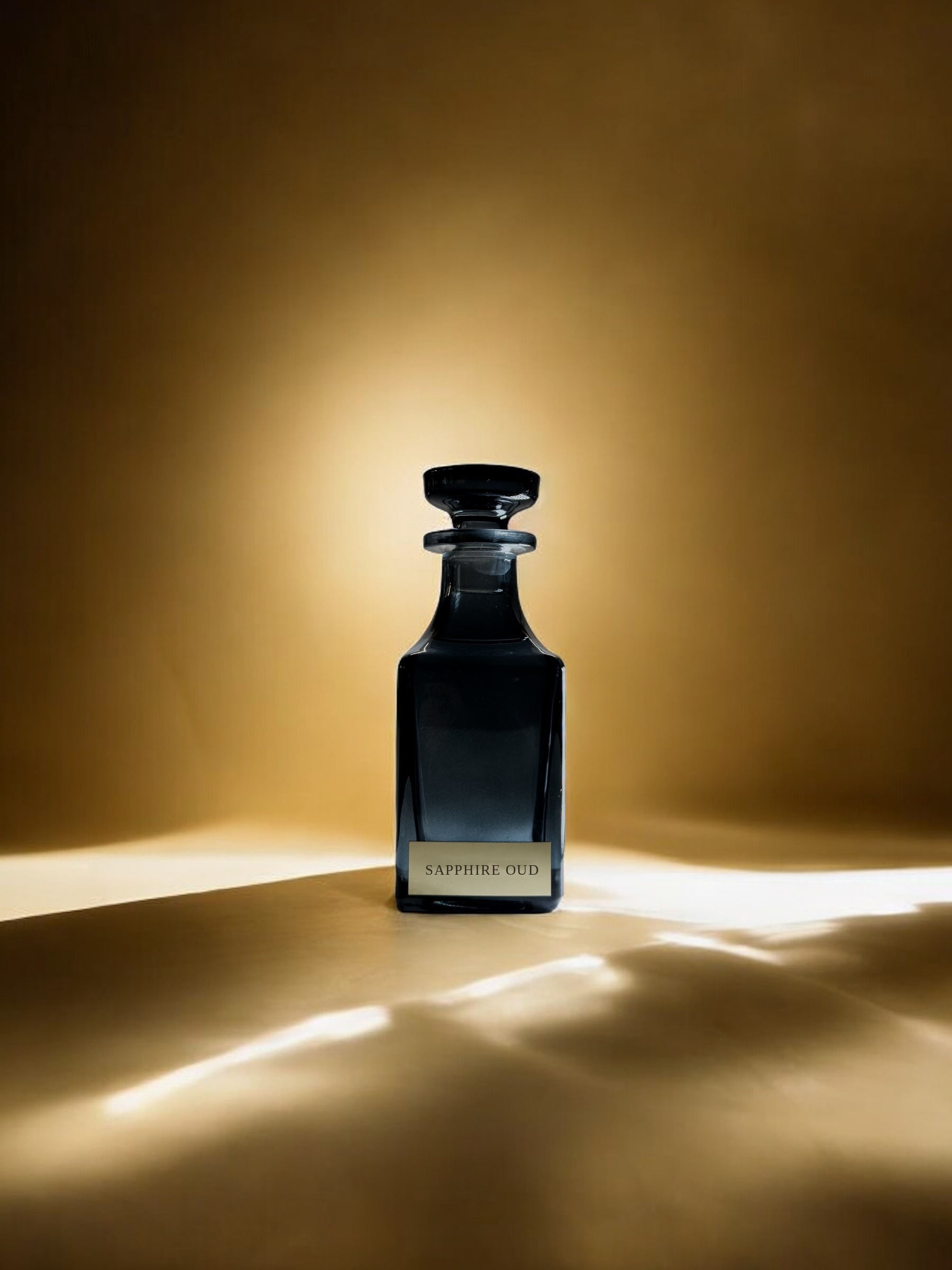
Oud and attar didn’t start as luxury perfume ingredients — they were trade goods, ritual materials and medicine long before anyone bottled them for sale. Understanding that history explains a lot about why these materials are still valued, and priced, the way they are today.
Oud’s Ancient Trade Routes
Agarwood — the source of oud — has been traded across Asia and the Middle East for well over a thousand years, moving along the same maritime and overland routes as spices and silk. Historical records from China, India and the Arab world all reference agarwood incense and oil, used in religious ceremony, medicine and, eventually, personal fragrance. Its rarity was recognised early: because only a small proportion of Aquilaria trees naturally produce the fungal infection that creates the fragrant resin, genuine agarwood was valuable long before modern demand made it more so.
Attars and the Birth of Oil-Based Perfumery
Long before alcohol-based perfumery existed in anything like its modern form, attars — fragrance oils distilled directly into a carrier such as sandalwood — were the dominant form of perfumery across South Asia and the Middle East. The technique of hydro-distillation used to make traditional attars dates back centuries, refined long before it was ever applied to Western-style perfumery. In many ways, the perfume oils sold today are a direct continuation of that same tradition, just with a wider range of materials available.
Bakhoor and the Culture of Scented Hospitality
Burning fragrant wood and resin as incense — what became known as bakhoor — has an equally long history, tied closely to hospitality and ritual across the Gulf. Passing a lit burner around a gathering so guests could scent their clothing before leaving wasn’t just a pleasant gesture; it was, and still is in many households, an expected part of hosting well. That tradition continues largely unchanged today — see our guide to burning bakhoor at home for the modern version of the same practice.
From Trade Good to Global Luxury
Oud’s move into international, mainstream luxury perfumery is much more recent — largely a 21st-century development, as Western fragrance houses began building entire lines around it. That shift brought oud to a global audience, but it also brought a flood of synthetic and diluted imitations trying to cash in on the name, which is exactly why authenticity matters so much when buying it today; see our complete guide to oud oil for what genuinely authentic oud looks like.