How Perfume Is Made: Step by Step
The pillar page gives you the shape of the process. This is the same sequence, walked through properly, stage by stage.
Step 1: sourcing and selecting materials
Every fragrance starts with raw materials — natural extracts and synthetic aromachemicals — chosen for the character, stability and cost the finished composition needs. A perfumer or brand will typically test many candidate materials before settling on the final list for a formula.
Step 2: composing the formula
The perfumer combines materials in carefully weighed proportions, building the top, heart and base structure described elsewhere in this guide. This stage can go through dozens or hundreds of revisions before a formula is considered finished.
Step 3: diluting into the carrier
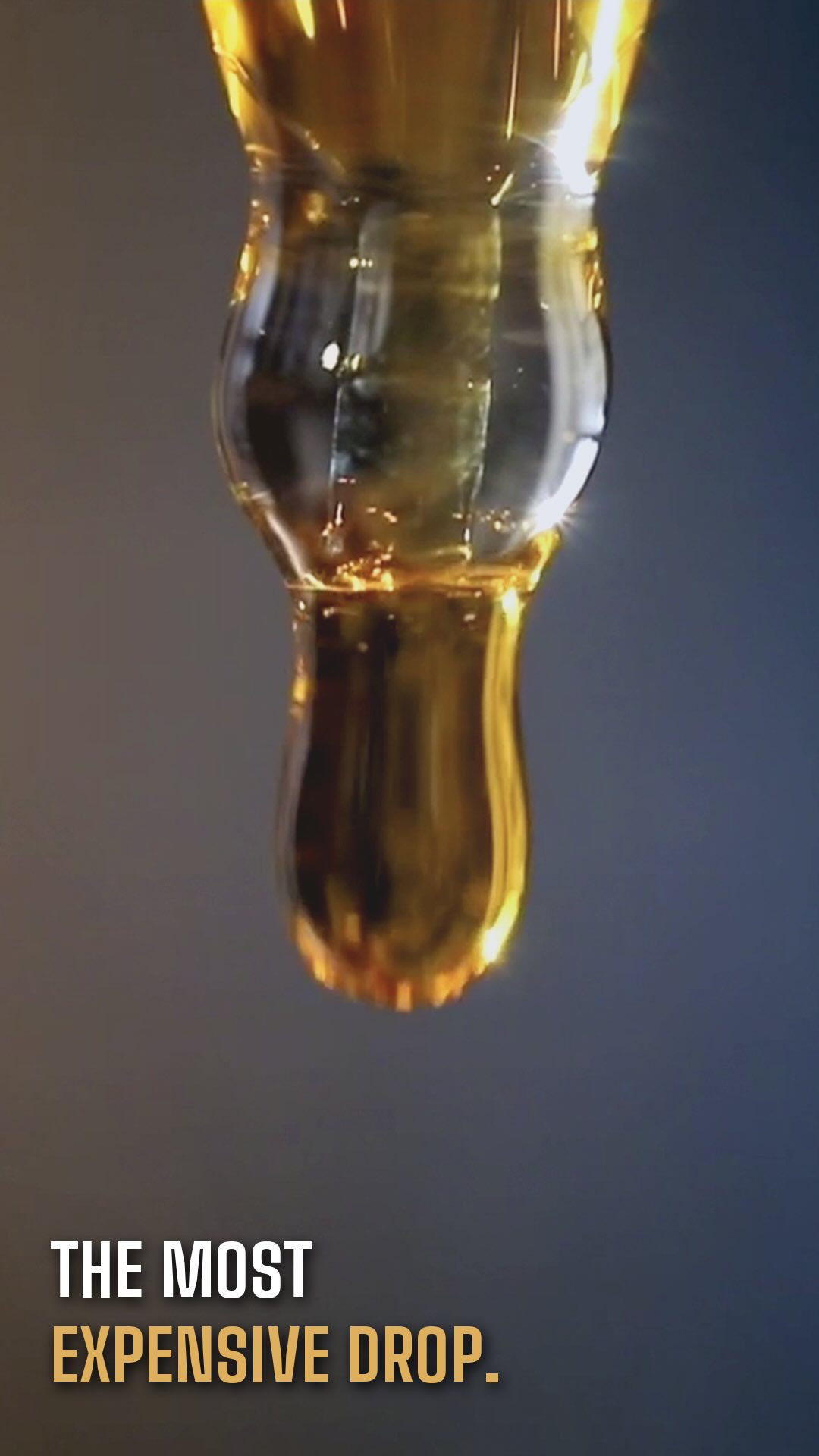
The concentrated fragrance oil (the “juice”) is diluted into its carrier — alcohol for a spray, oil for an attar or perfume oil — at the concentration the finished product is targeting.
Step 4: maceration
The diluted blend rests for days or weeks so the individual materials marry into a single, cohesive scent rather than reading as separate ingredients. Skipping or rushing this stage is one of the most common causes of a sharp, unfinished-smelling fragrance.
Step 5: quality checks and bottling
The matured blend is checked for consistency against the intended formula, then filtered and bottled. Reputable producers batch-test to make sure each production run matches the last.
Frequently asked questions
Which step takes the longest?
Usually maceration and, before that, the formula-development stage — both can run to weeks or, for a brand-new fragrance, months or years.
Does the sequence differ for perfume oils versus sprays?
The core sequence is the same; the main difference is the carrier used in step 3, and oil-based blends are often left to macerate a little longer since there’s no alcohol to help the materials integrate quickly.
See the result of this process in our Perfume Oils.