Blog
Bakhoor: The Scented Smoke Ritual Nobody Explains Properly
Bakhoor is one of the oldest and most misunderstood fragrance traditions in the Gulf region, and understanding it properly starts with a simple distinction: it isn’t a perfume you wear, it’s an incense you burn.
How Bakhoor Is Made And Burned
Traditionally, bakhoor is made from wood chips, most often agarwood, soaked or infused with fragrant oils, resins, and sometimes musk or amber. A more widely available, less expensive version is made instead from a compressed paste of wood powder, resins like frankincense or benzoin, and fragrance oils, pressed into small tablets. Both are burned the same way, using a mabkhara, a small, often ornately decorated incense burner. Charcoal is lit and left to burn down until covered in white ash, and only then is a small piece of bakhoor placed on top, releasing fragrant smoke that settles into fabric, hair, and a room’s air in a way spray perfume never quite replicates.
A Mark of Welcome
That quality is precisely why bakhoor plays such a central role in Gulf hospitality. Burning it when guests arrive is considered a genuine mark of welcome, and it’s common practice for the burner to be carried gently around a room so guests, not just the space, become scented by the smoke as it passes them. The same custom appears at weddings, where it’s often burned continuously throughout the celebration, and in mosques, where its use for maintaining a clean, dignified atmosphere stretches back centuries.
Bakhoor vs. Oud
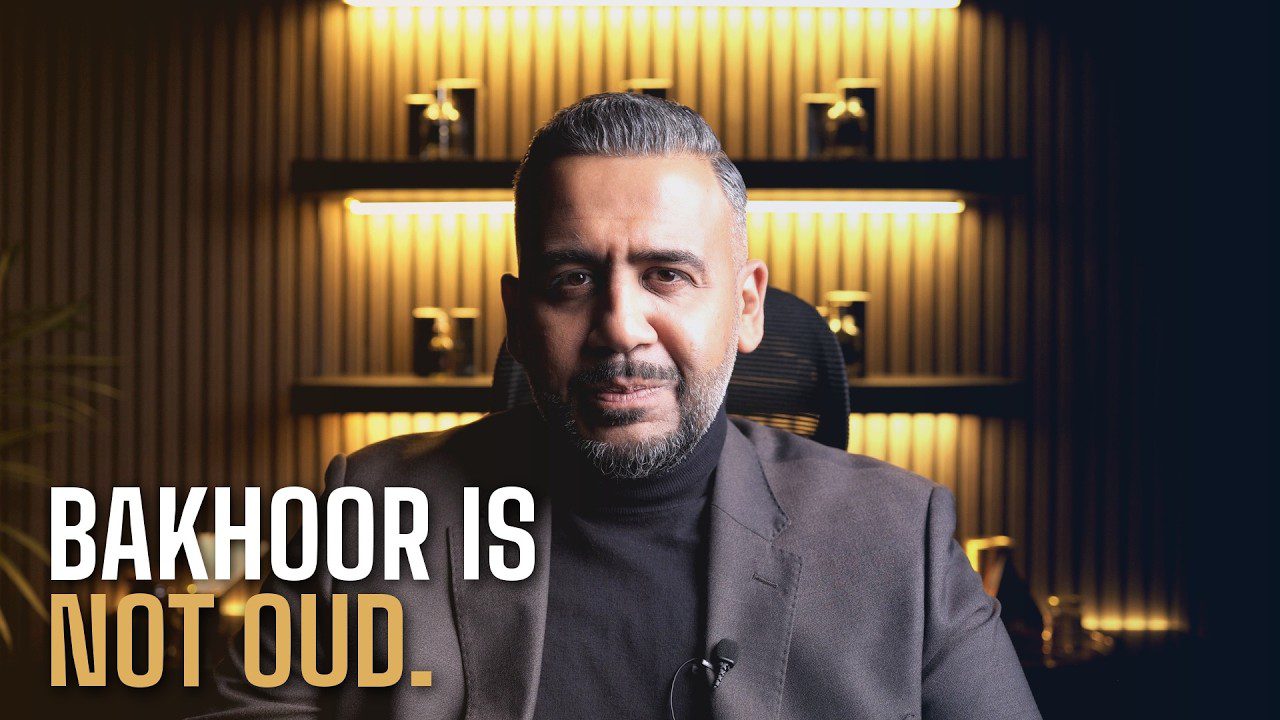
A genuinely common point of confusion is assuming bakhoor and oud are the same thing. Oud is a raw fragrant material extracted from agarwood resin, used in Concentrated Perfume Oils (CPOs) or sprays. Bakhoor is a burned incense product that may or may not contain any actual oud at all — plenty of it is made using other resins and fragrance oils instead. The two overlap constantly in this culture, but they are not interchangeable terms.
Honest Origins
It’s worth being honest that the precise origins of bakhoor are genuinely difficult to pin down. Burning fragrant woods and resins for spiritual and practical purposes stretches back thousands of years across multiple ancient cultures, so no single place can honestly claim to have invented the practice. What can be said with confidence is that the specific customs surrounding bakhoor today — the mabkhara, the hospitality ritual, the particular blends favoured across the Gulf — were refined across generations in this region specifically.
Watch the full episode of The Scent Room with Sufian below for the complete story, including practical, safe guidance on trying bakhoor for the first time.