Blog
Why Is Perfume So Expensive? What You’re Actually Paying For
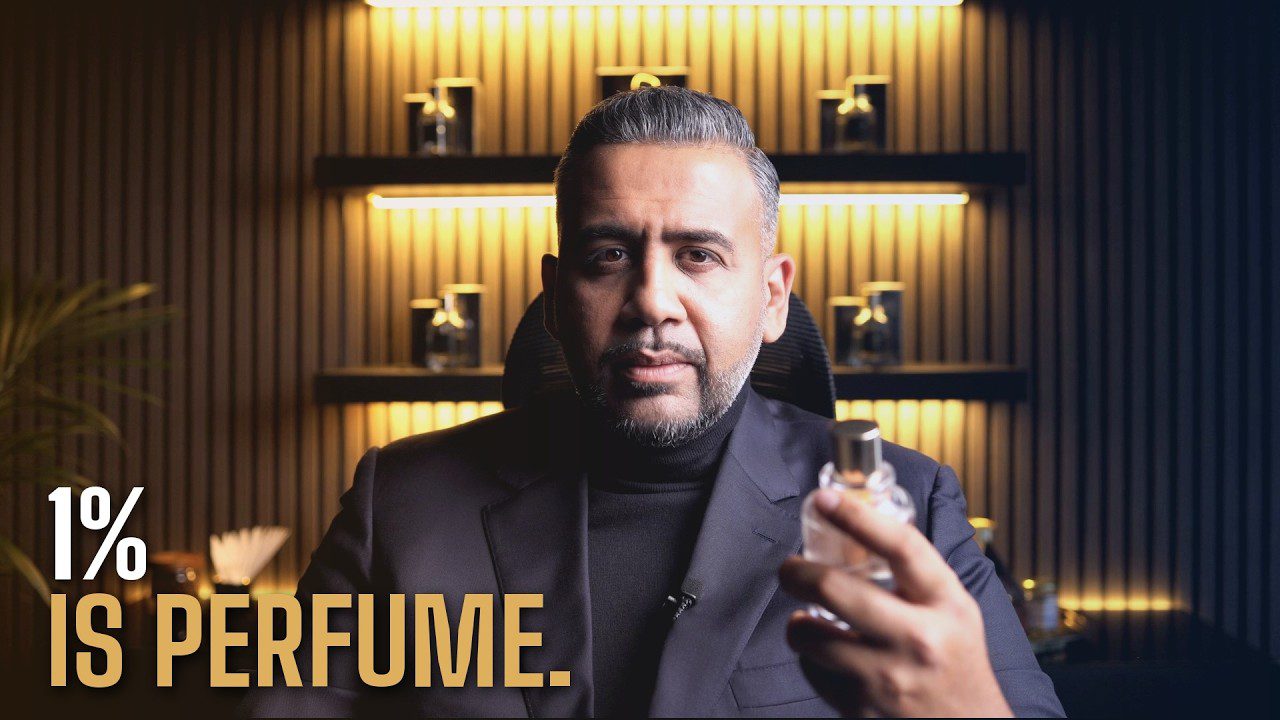
If you’ve ever picked up a bottle of perfume, checked the price, and wondered how a small amount of liquid can cost what it does, you’re asking a genuinely fair question — and the honest answer is more interesting than most people expect.
Where Your Money Actually Goes
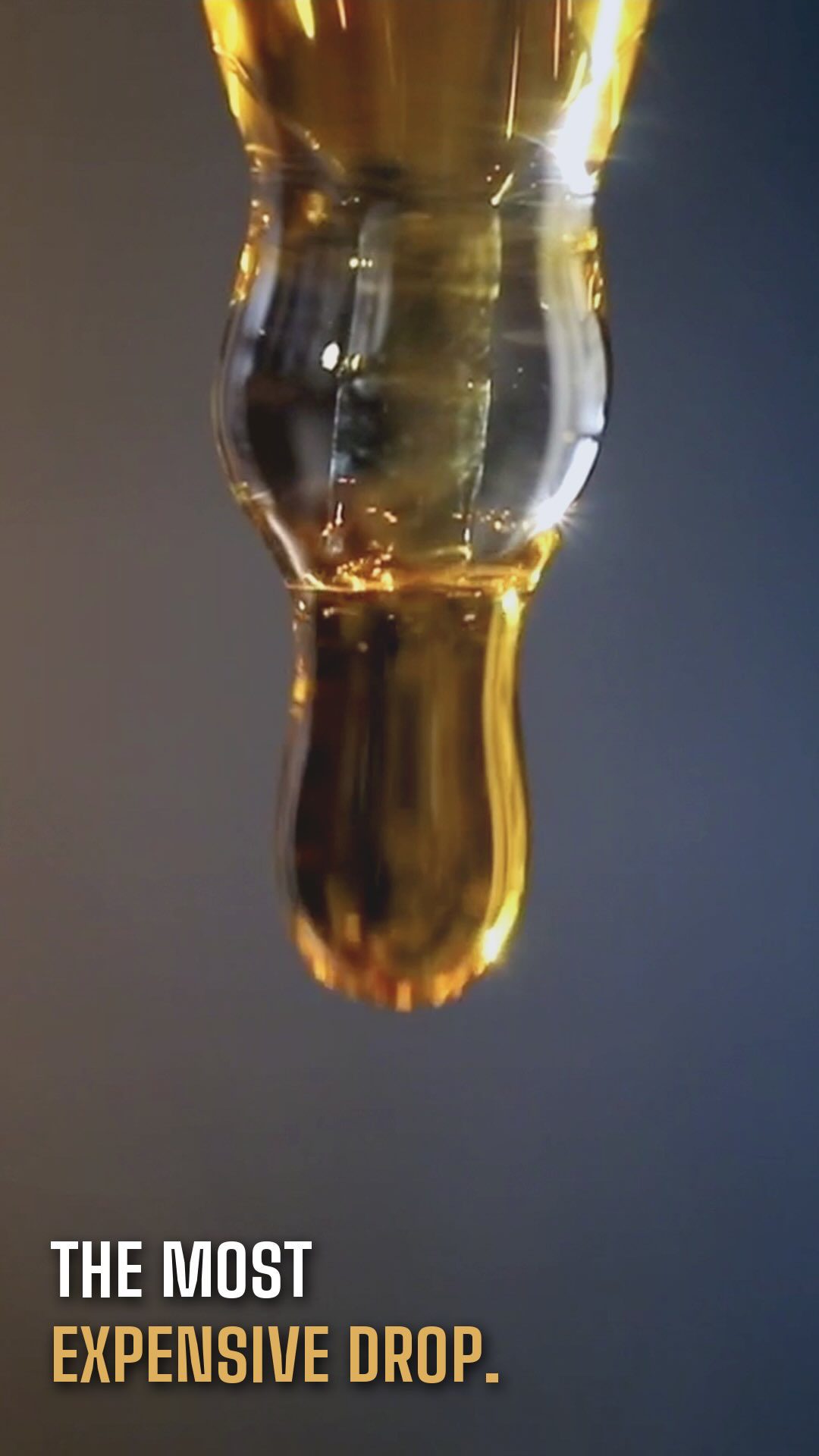
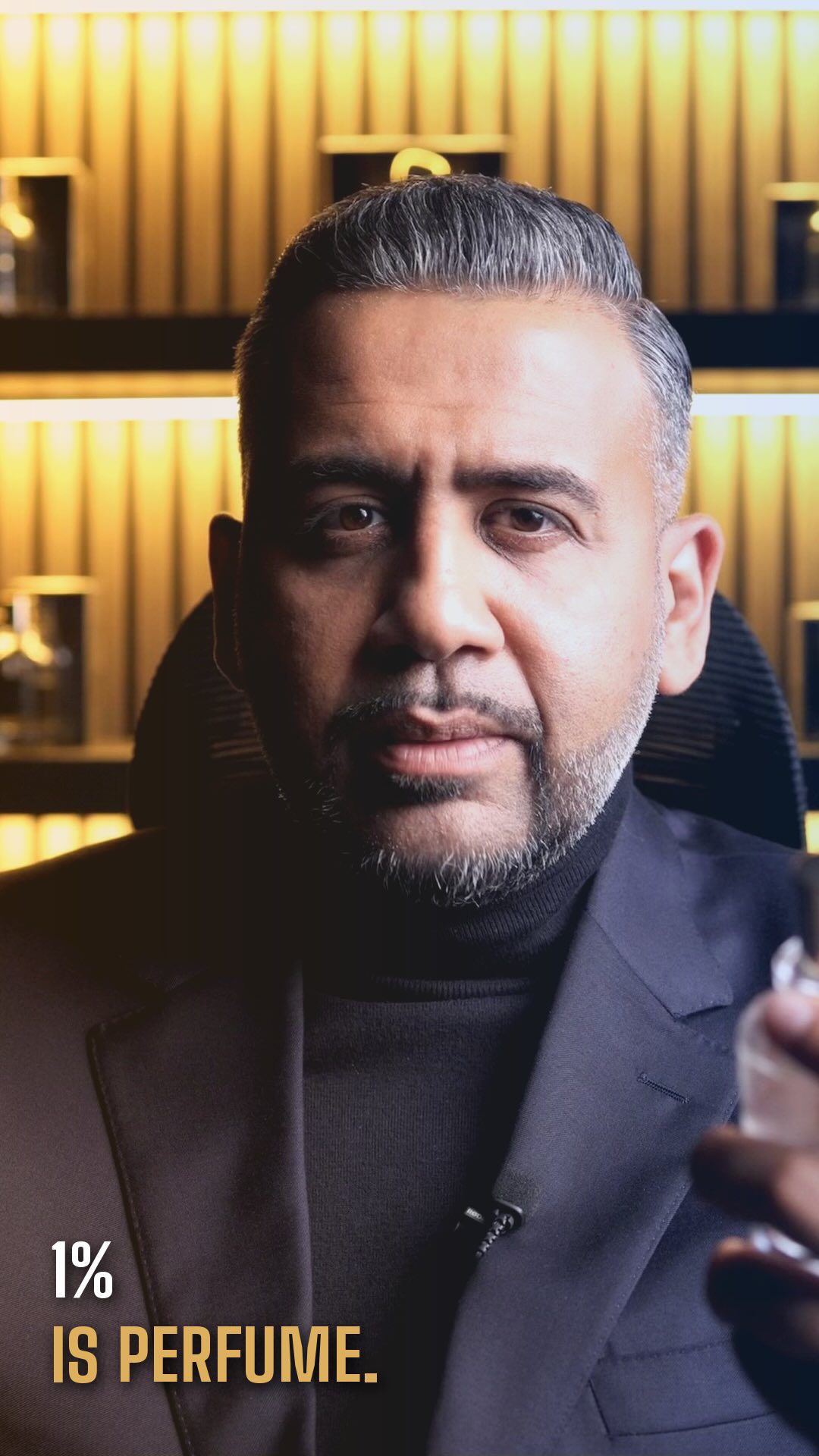
On a typical mainstream designer fragrance, the actual perfume oil inside the bottle often makes up somewhere between one and ten percent of the retail price. The rest is split between marketing, packaging, and retail margin. Marketing is usually the single biggest slice, often reported at a third or more of the price, covering everything from magazine adverts to celebrity campaigns. Packaging can genuinely cost more to produce than the liquid itself, particularly for a heavy glass bottle with elaborate detailing. And a department store’s own margin can run close to half of what you pay, covering the counter, the staff, and the overall retail experience.
Some Ingredients Are Genuinely Rare
But that isn’t the whole story. Some raw materials genuinely, legitimately cost an extraordinary amount of money. Rose otto, the essential oil pressed from Bulgarian roses, requires roughly three thousand kilograms of hand-picked petals to produce a single kilogram of oil. Natural oud, distilled from aged, wild agarwood, can run into the tens of thousands of dollars per kilogram before it’s even processed. Ambergris, a rare material that forms naturally and is found in only a small fraction of sperm whales, commands extraordinary prices precisely because it can’t be farmed or manufactured on demand. And genuine Mysore sandalwood comes from trees that take upward of twenty-five years to mature, with legal exports tightly restricted to prevent overharvesting.
Designer vs Niche vs Mass-Market
Understanding the difference between a designer fragrance, where you’re mostly paying for marketing and a famous name, and a niche or artisan fragrance, where more of your money goes directly into the formula, helps you spend more deliberately — without assuming expensive automatically means better, or cheap automatically means worse.
The Licensing Secret
There’s also a less-discussed piece of the puzzle: many major fashion houses don’t make their own perfume at all. They license their name to a large fragrance conglomerate for a royalty, which is part of why a familiar fragrance can subtly change in character when that licensing arrangement shifts, even though the name on the bottle stays exactly the same.
None of this is new, either. Perfume has been tied to wealth and status for thousands of years, from perfumes reserved for Egyptian royalty to the staggering quantities of frankincense burned by wealthy Romans. Understanding where your money actually goes doesn’t make the industry’s history any less fascinating — it just makes you a more informed, deliberate buyer the next time you reach for a bottle. Watch the full episode of The Scent Room with Sufian below for the complete breakdown, including a few honest examples of how this plays out in real life.