Blog
Why I Don’t Review Perfumes Like Other YouTubers
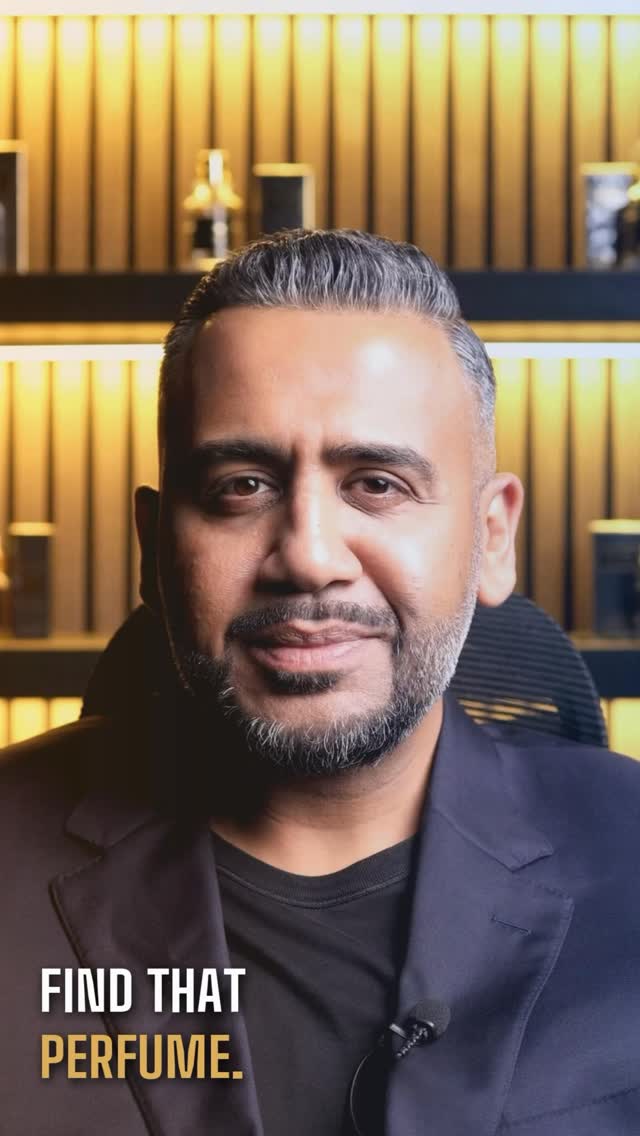
I don’t review perfumes like most people on YouTube. And there’s a reason for that.
It’s not because other reviewers are getting it wrong. It’s because somewhere along the way, standing in his own shop, Sufian realised he was being asked the wrong question. And once you notice a question is wrong, it’s very hard to keep answering it the old way.
The Trouble With A Score
If you’ve spent any time around fragrance content, you already know the language: longevity, projection, sillage, compliments, performance, top notes, middle notes, base notes. And at the end, a number, delivered like a verdict. Eight out of ten. Seven point five. None of that is wrong, and most of it is useful. It’s just not the whole story, because those words were built to describe the parts of a perfume that are easiest to measure, and the parts that are easiest to measure are almost never the parts that matter most. Eight out of ten sounds objective. It has a decimal point. But eight out of ten for who? A score can’t say whether it’s an eight for someone who loves oud or someone who can’t stand it, for the office or for a wedding. Underneath every rating, there’s one person deciding what “good” means, and handing you that decision dressed up as a fact.
Perfume Isn’t A Specification Sheet
Nobody rates a song seven out of ten and leaves it there. Music is understood to be personal. Perfume, somewhere along the way, started getting treated like a phone: twelve-hour battery life, fifty-megapixel camera, numbers to compare in a table and declare a winner. So perfume gets the same treatment: ten-hour longevity, eight out of ten projection. Those measurements can be useful, but they don’t tell you whether a fragrance belongs on your skin. The longest-lasting perfume isn’t automatically the best perfume, and the one that gets the most compliments isn’t automatically the one that makes you feel best. Sometimes the fragrance that gets the most attention from other people is the one that feels the least like you.
Perfume Is Personal
Fragrance doesn’t just sit on top of your skin, it reacts with it: your chemistry, your body heat, even the season. But the more important part happens somewhere else entirely. A scent can pull up a memory before you’ve even worked out what it is. One note might take someone straight back to their grandmother’s kitchen, and take someone else somewhere they’d rather not go. Neither person is imagining it. They’re both right, and they’re both smelling something completely different, even though it’s the same molecule, from the same bottle, sprayed a minute apart. That’s not a flaw in fragrance. That’s the entire point of it.
The Real Question
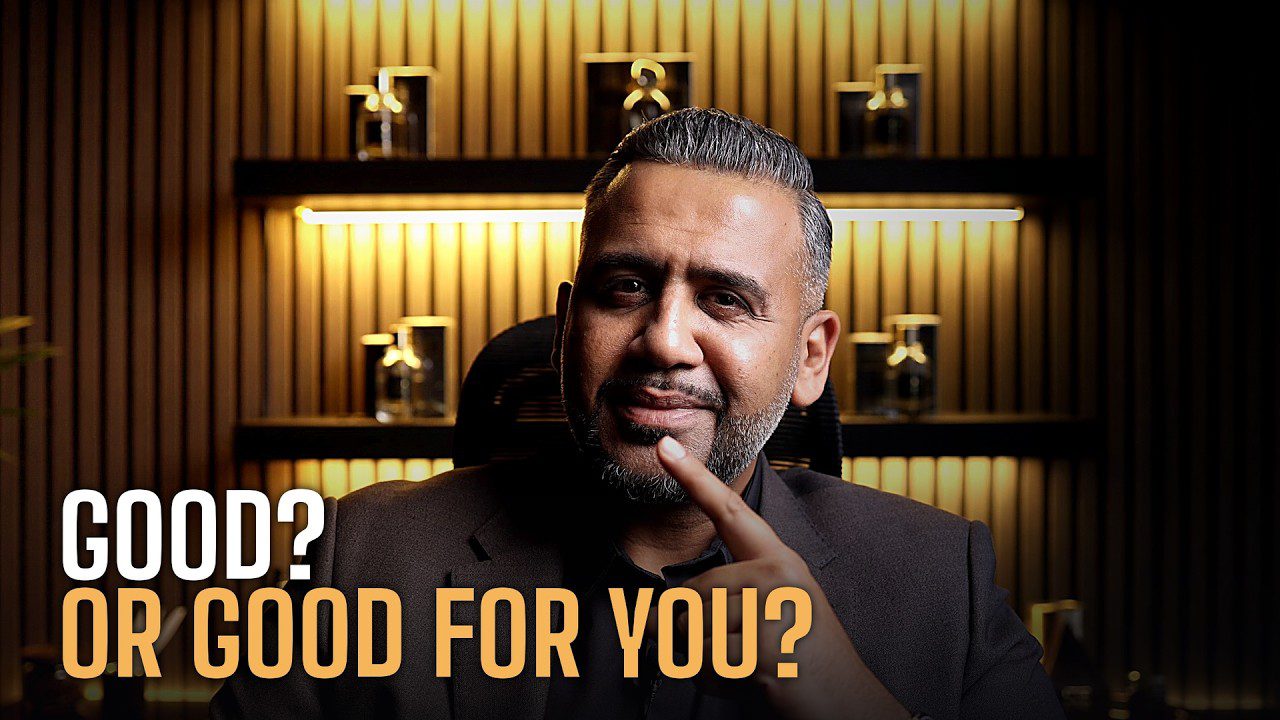
So if “is this perfume good” is the wrong question, what’s the right one? Is this perfume good for you. That one sentence changes almost everything about how Sufian talks about fragrance. Instead of asking how long something lasts, he’d rather ask when you’d actually wear it. Instead of asking how much projection it throws, he’d rather ask how it makes you feel the moment it settles on your skin, and whether it feels like you, or like someone you’re quietly trying to become.
Same Perfume, Two People
Standing in the shop, it happens almost every day: two people, sometimes only minutes apart, smell the exact same bottle. One closes their eyes and says “that’s incredible.” The next wrinkles their nose and says “I really don’t like that.” Same fragrance, same shop, completely different reaction. Early on, some part of Sufian assumed one of them had to be wrong. He doesn’t think that anymore. There’s no universal nose, no perfume that everyone is supposed to love, and none that everyone is supposed to hate. There’s only what’s true for the person standing in front of him.
Why Honesty Matters More As A Shop Owner, Not Less
If Sufian only ever told customers what they wanted to hear, he might make one good sale that day. But he’d lose something far more valuable: the reason they’d ever trust what he says the next time. So if he doesn’t like something, he’ll say so. If something is overpriced, he’ll say so. If something is beautiful but completely wrong for you, he’ll say that too, because beautiful and right for you are not always the same thing. If something inexpensive smells incredible, it gets the same respect as anything with a designer name on the box. Trust doesn’t come from one great transaction. It comes from every single moment nobody tried to squeeze one out of it.
What This Channel Is Actually For
None of this is a criticism of the genuinely brilliant fragrance reviewers already doing great work on YouTube. Sufian is simply choosing to do something a little different. On this channel, the goal was never to hand over a list of bottles to buy. It’s to teach how fragrance actually works: why certain notes behave the way they do on skin, how to read past marketing, how to avoid the kind of blind-buy mistakes that cost people real money, how to build a fragrance wardrobe instead of a random shelf of impulse buys. Underneath all of it, one goal matters more than the rest: helping people develop their own nose.
I Don’t Want You To Agree With Me
Here’s something Sufian doesn’t think he’s supposed to say out loud, but means it: he doesn’t want you to agree with him about every perfume. He wants you to smell something he loves and feel nothing, and smell something he’s lukewarm on and fall completely in love with it, because that doesn’t mean he’s failed. It means you’re starting to trust your own opinion instead of borrowing his. The goal was never to create people who follow what he says. It’s to create people who understand fragrance well enough that they stop needing to ask anyone, including him, whether something is good. They already know if it’s good for them.
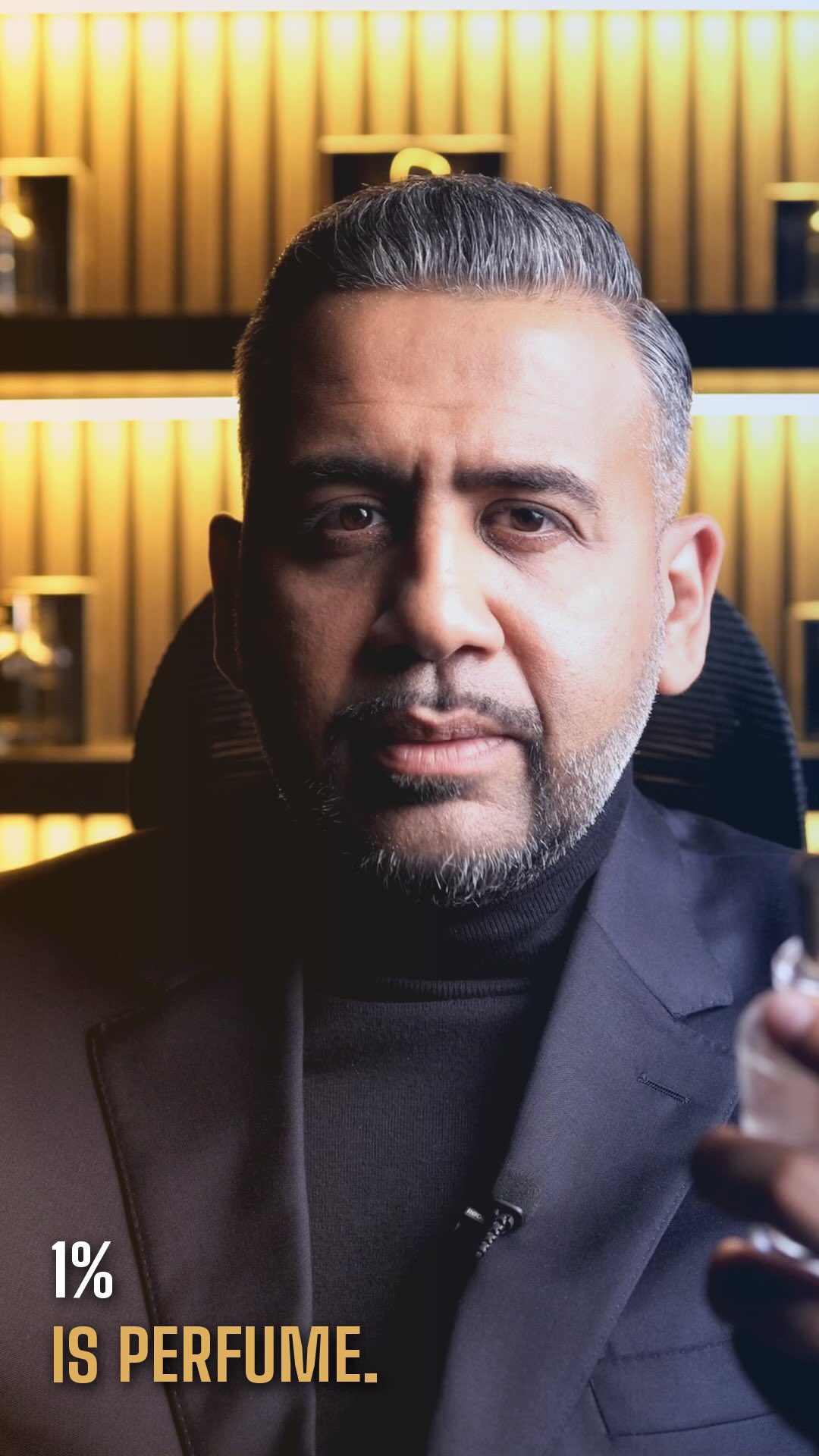
Perfume was never really about smelling like everyone else. It was about finding something that feels like you, not the version a rating decided was correct. Watch the full episode of The Scent Room with Sufian below for the complete argument, told entirely to camera, in his own words.