Blog
What Is Oud, Really? (And Why Everyone Gets It Wrong)
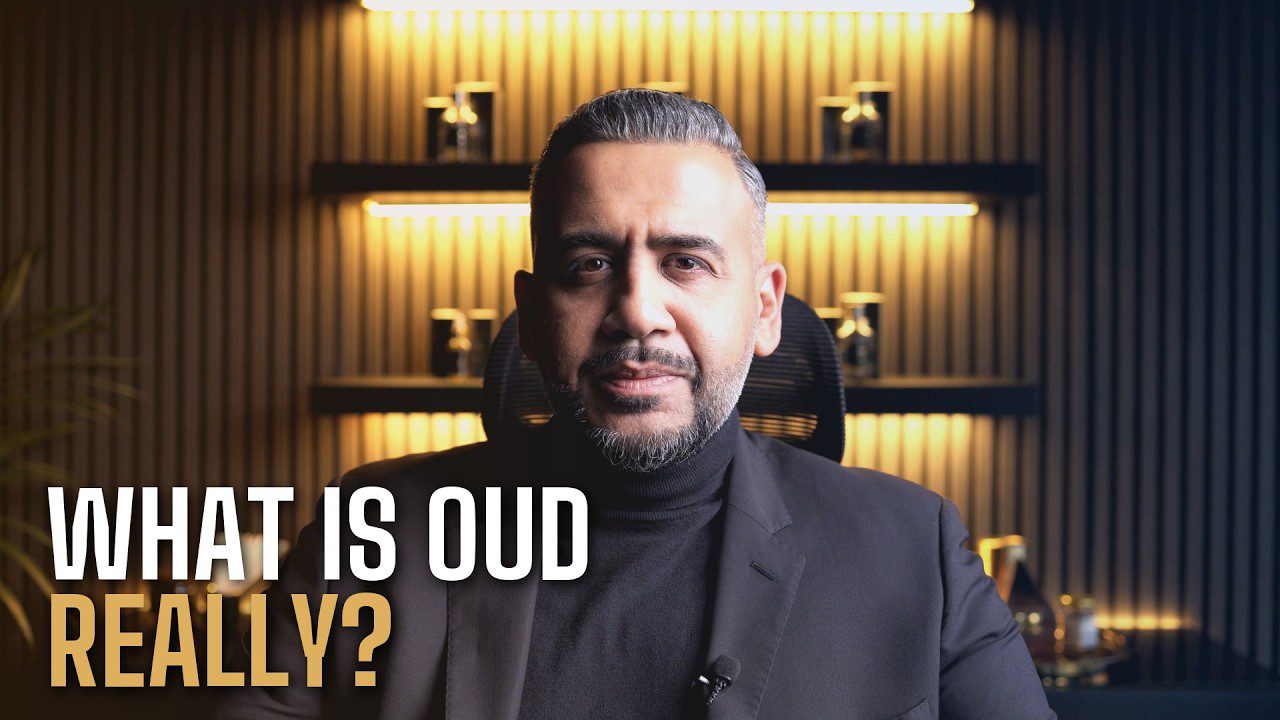
Oud is one of the most misunderstood materials in perfumery, and the popular explanation you’ve probably heard — that it’s “just the fungus” growing inside a tree — is a genuine oversimplification.
How Oud Actually Forms
Oud, or agarwood, forms inside trees of the Aquilaria genus, native across South and Southeast Asia. Under normal conditions, these trees produce no oud at all. The resin only begins forming as a genuine defence response, triggered when the tree is wounded. Fungal infection is very often involved in colonising the wound and helping trigger the tree’s defensive chemistry, but recent research shows mechanical wounding alone can activate very similar defensive chemical pathways, without fungal involvement being the sole cause every time. The honest, current understanding is that agarwood is a resinous defence response to injury, with fungal colonisation as a common, but not exclusive, trigger.
Why Quality Varies So Dramatically
This is exactly why quality varies so dramatically from piece to piece. Species and region matter enormously — Assamese oud tends to be austere and leathery, Cambodian oud often rounder and fruitier, Laotian oud smokier and more balsamic. The resin’s age and density matter too, with longer development producing deeper, more complex material.
Wild vs Cultivated: The Myth
A genuine myth worth correcting: wild oud is not automatically superior to cultivated oud. Every Aquilaria species is now protected under international conservation agreements, because unchecked wild harvesting was pushing populations toward real scarcity. Modern cultivation techniques have advanced considerably, and peer-reviewed research comparing cultivated and wild resin has found that, with the right technique, cultivated agarwood can be chemically comparable to wild material.
Why This Matters
Understanding this matters beyond just shopping wisely. These trees take real time to mature and develop genuine resin, and demand for oud has grown enormously worldwide. Buying from reputable, properly certified sources helps ensure this material, and the entire tradition surrounding it, remains available for future generations.
Watch the full episode of The Scent Room with Sufian below for the complete story, including a genuinely personal reflection on what this material means within Gulf culture beyond the perfume counter.