What Is Perfume? Perfume Basics
Every other guide on this site assumes you know the basics. This is where those basics actually live.
Perfume is a blend of aromatic materials dissolved in a carrier — alcohol, oil, or occasionally water-based formulas — designed to release fragrance gradually as it interacts with your skin. It’s simple in principle and endlessly varied in practice, which is exactly why a little grounding in the fundamentals changes how confidently you shop and wear it.
The building blocks
- Aromatic materials — natural extracts and synthetic aromachemicals, combined to create a scent.
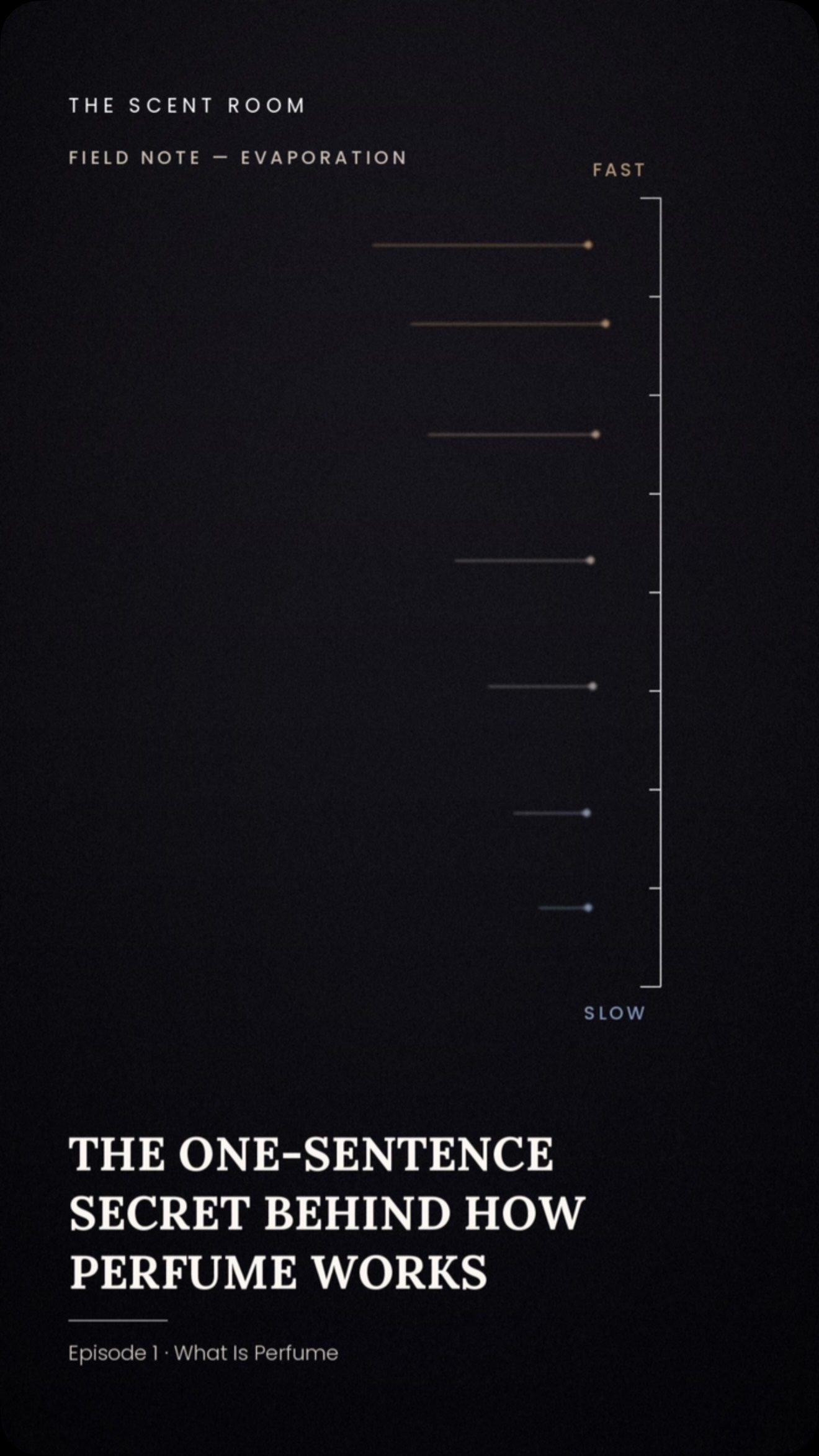
- A carrier — alcohol (sprays) or oil (attars, perfume oils) that spreads the fragrance and controls its release.
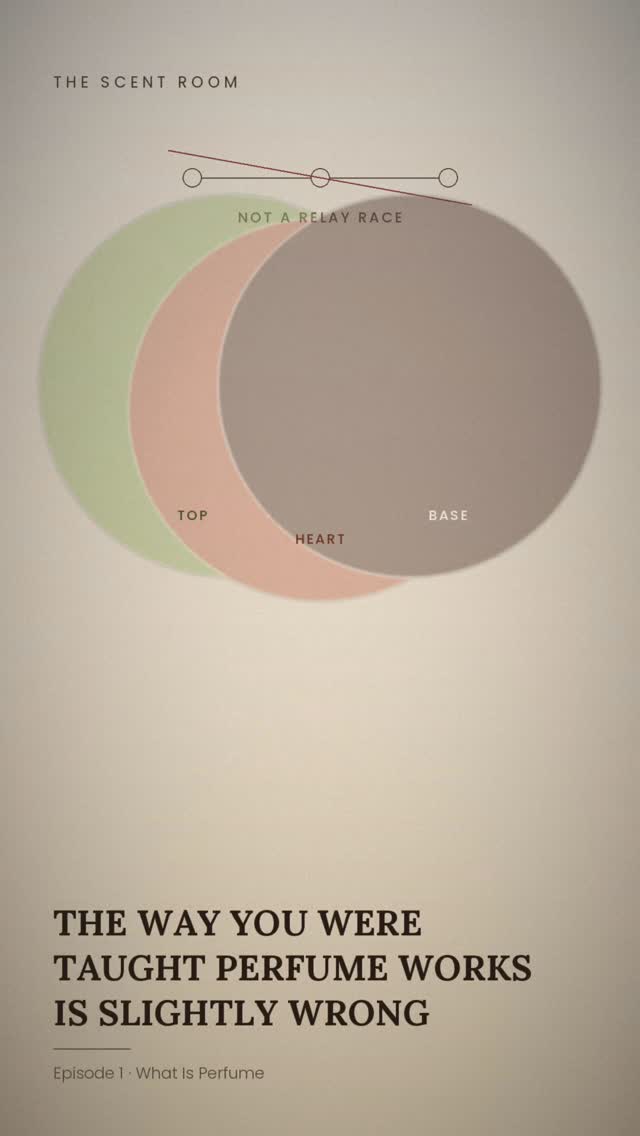
- Structure — notes arranged in a top-heart-base pyramid, so the scent evolves rather than staying static.
Frequently asked questions
Is perfume just chemicals?
In the neutral, scientific sense, yes — as is everything else you smell, natural or synthetic. “Chemical” isn’t a synonym for artificial or harmful; both natural extracts and lab-made materials are chemistry.
Why does perfume smell different in the bottle than on skin?
Body heat, skin chemistry and time all change how a fragrance reads — the bottle only ever shows you a fraction of the story.
Ready to explore? Browse our Perfume Oils and Perfume Sprays.