Why Was Frankincense So Valuable in the Ancient World?

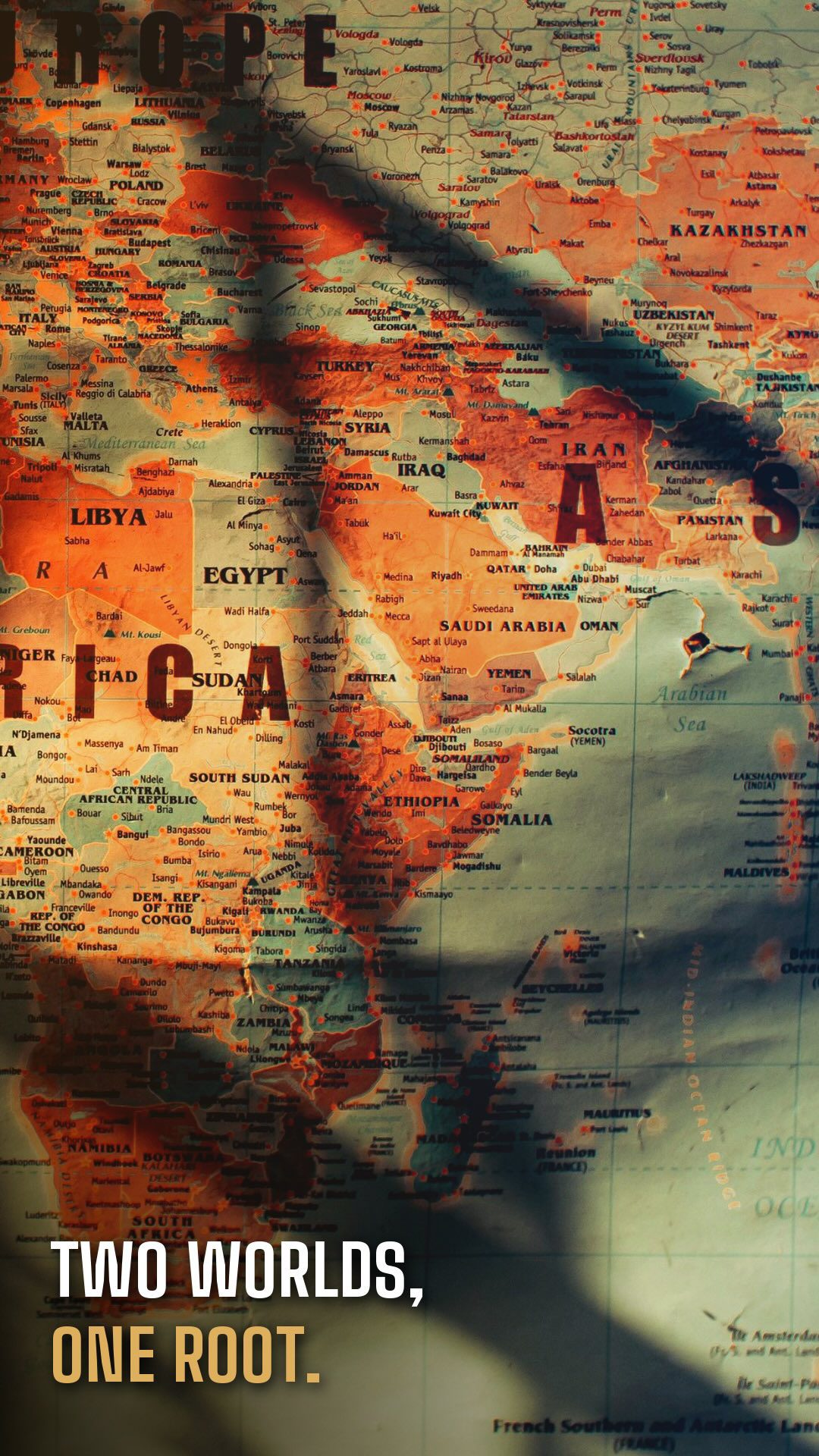
Frankincense was so valuable in the ancient world because it came from a small number of remote, hard-to-reach regions, mainly parts of what’s now Oman, Yemen, and Somalia, and its harvesting, transport across dangerous desert trade routes, and central role in religious ritual across multiple ancient cultures all combined to make it as prized as gold or precious spices.
What made it so scarce and sought-after
Frankincense is the resin of specific Boswellia trees that grow in limited, often arid and difficult terrain, and harvesting it required skilled labour and careful timing to collect the hardened resin without damaging the tree. Getting it from those remote regions to major ancient markets in Egypt, Rome, and beyond meant crossing vast desert trade routes, a journey covered in our related answer on the Queen of Sheba’s role in the frankincense trade, adding significant cost and risk before it ever reached a buyer.
Beyond simple scarcity, frankincense held deep religious and ceremonial significance across Egyptian, Mesopotamian, Greek, Roman, and later Christian and Islamic traditions, used in temple worship, embalming, and ritual purification, which sustained enormous demand regardless of its difficulty to obtain. That combination of genuine rarity and near-universal spiritual importance is what gave it value comparable to precious metals. Our history of perfume guide covers this fully, and the complete guide to perfume has more on resins in fragrance history.