Why Does Eau Fraîche Not Last as Long as Other Concentrations?
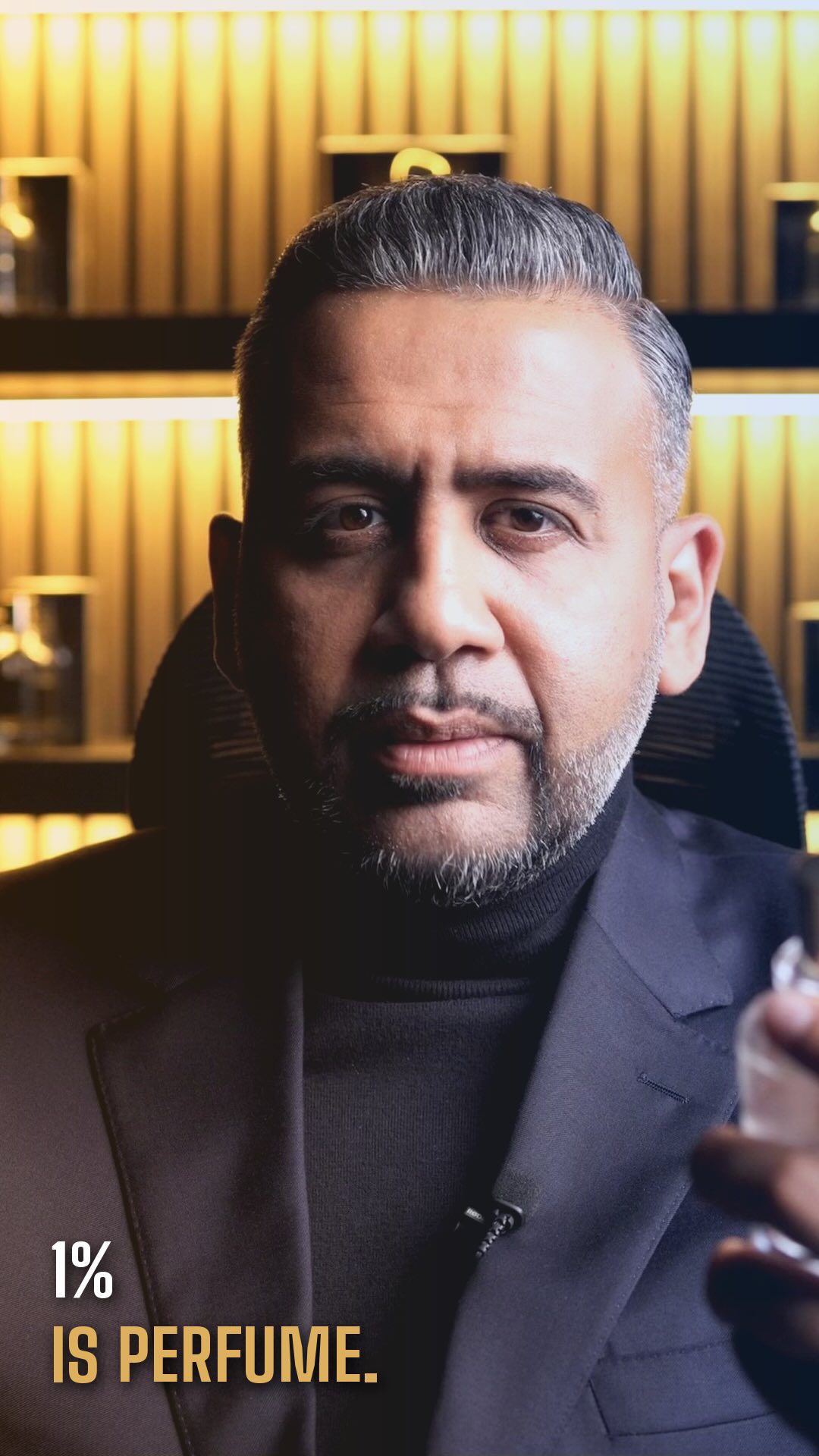
Eau fraîche fades quickly because it contains the lowest proportion of actual fragrance oil of any common concentration, often just 1-3%, diluted in a base that’s frequently mostly water rather than alcohol or oil, so there’s simply less aromatic material present to linger on the skin.
The maths behind the fade
As explained in our answer on what eau fraîche actually is, concentration is the main factor determining how long a fragrance lasts; more concentrated formats like eau de parfum or parfum contain a far higher percentage of fragrance oil, giving the scent molecules more staying power. Eau fraîche’s watery base also means it evaporates especially fast compared with an alcohol or oil carrier, further shortening its life on skin.
This isn’t a flaw so much as the intended design; eau fraîche is meant to be a light, refreshing splash rather than an all-day fragrance, which suits hot weather or a quick freshen-up perfectly well even though it needs reapplying more often than a stronger concentration would. Our perfume concentrations guide breaks down all the formats and their typical staying power, and the complete guide to perfume has the wider fundamentals. Reapplying through the day is simply part of how eau fraîche is meant to be worn, rather than a sign anything’s gone wrong with the bottle. Carrying a small travel-size bottle for a midday top-up is a sensible habit if you’re relying on eau fraîche through a warm day.