Why Can Spraying Perfume in an Enclosed Car Cause Staining or Damage?
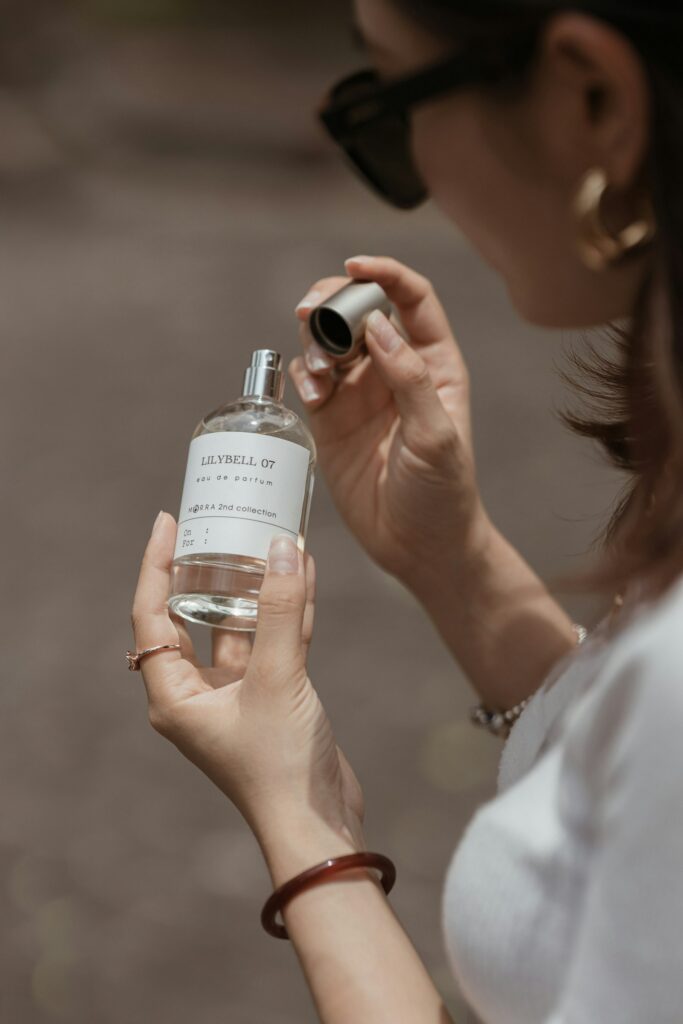
Spraying perfume directly in an enclosed car can cause staining or damage because the alcohol and fragrance oils settle onto upholstery, leather, or plastic trim rather than evaporating away in open air, and heat build-up inside a parked car can then bake that residue in, sometimes leaving marks or contributing to material degradation over time.
Why the enclosed space makes it worse
In an open room, perfume mist largely evaporates into the air before settling significantly on surfaces. A car’s small, enclosed cabin means a much higher proportion of that mist lands directly on seats, dashboards, and trim. Combined with a car’s tendency to reach high internal temperatures when parked in the sun, any residue left behind can be effectively heat-set into the material, similar to how a stain becomes harder to remove once heated, as we discuss in our related answer on whether it’s safe to spray perfume directly inside a car.
Leather is particularly vulnerable, since alcohol can dry it out and cause cracking with repeated exposure over months and years. A dedicated car diffuser avoids this entirely by releasing scent gradually rather than depositing liquid on surfaces. Our how to apply and wear perfume guide covers safer application habits, and the complete guide to perfume has more on how alcohol-based perfume interacts with different materials. Choosing a dedicated diffuser instead avoids this risk entirely while still giving the cabin a pleasant, consistent scent.