Why Does Oud Smell Like Barnyard?
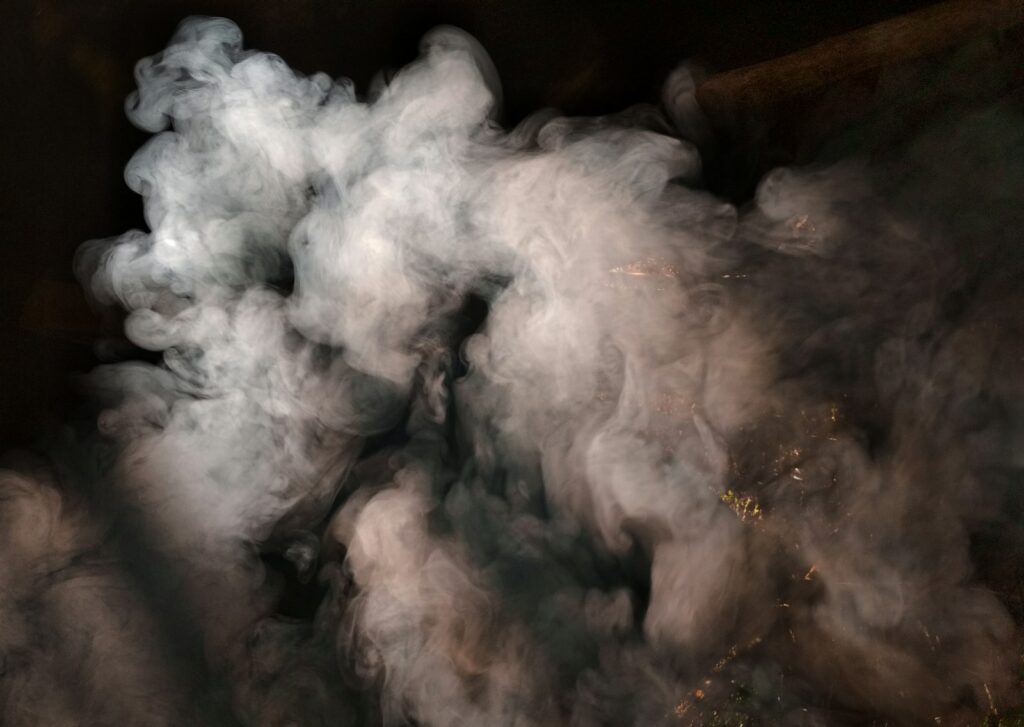
That barnyard, almost animalic funk you pick up in some ouds is a genuine and prized characteristic, not a flaw or a sign of poor quality. It comes from the natural fermentation and fungal activity that creates agarwood resin in the first place.
Where the Smell Comes From
Agarwood forms when a tree is infected and reacts by producing resin over months or years, a slow biological process that is much closer to fermentation than simple wood ageing. Wild, older resin, particularly from parts of Cambodia, Laos and India, tends to carry the strongest animalic, barnyard, or even faintly cheesy notes. Many connoisseurs consider this exactly what marks out serious oud from the cleaner, gentler plantation oils.
An Acquired Character, Not a Fault
If that funk is too much for you, it is worth trying oud blended with rose, saffron or amber, which soften and round out the sharper edges considerably. This is precisely the character that separates a memorable, complex oud from a flat, one-dimensional synthetic imitation, even if it takes a little getting used to at first. Our complete guide to oud explains how origin and age affect this, and our wider complete guide to perfume covers animalic notes across fragrance more broadly.